01
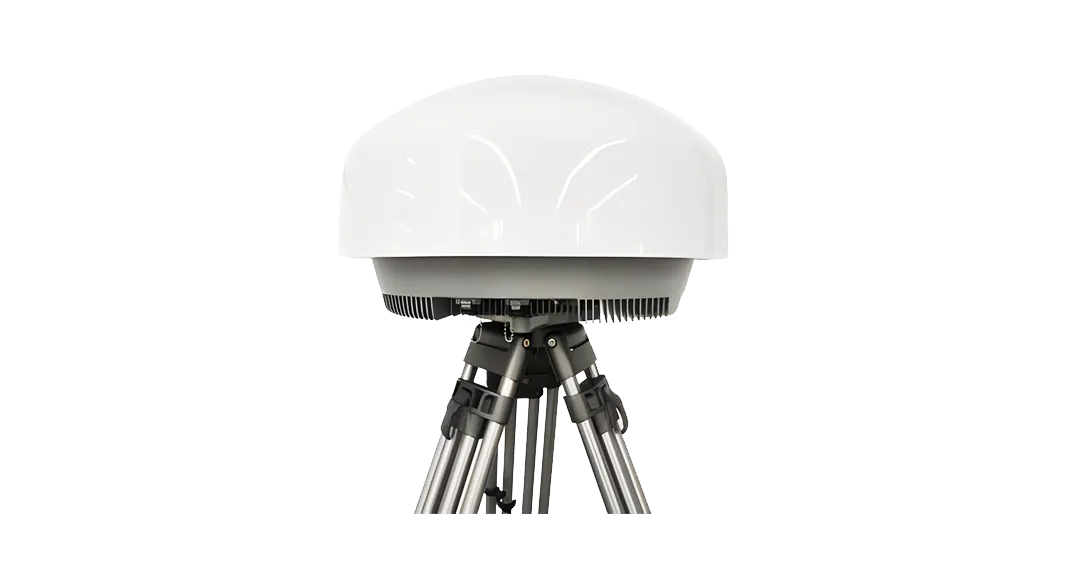
RF sensing, Remote ID monitoring, and low-altitude radar help discover abnormal aerial activity around plant boundaries, tank areas, loading zones, and process corridors.
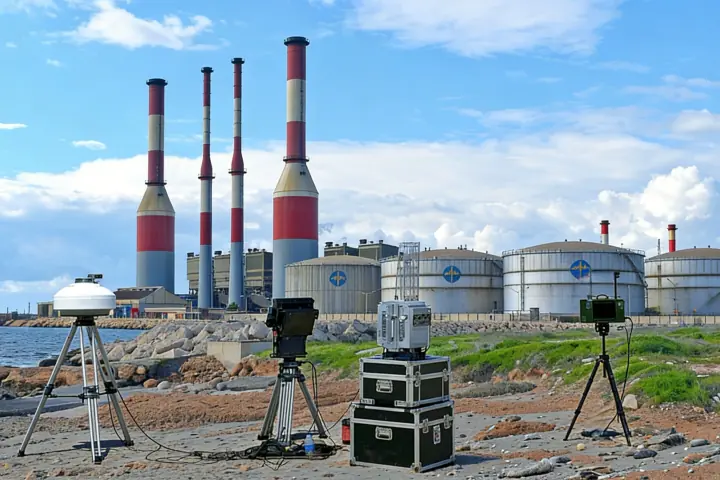
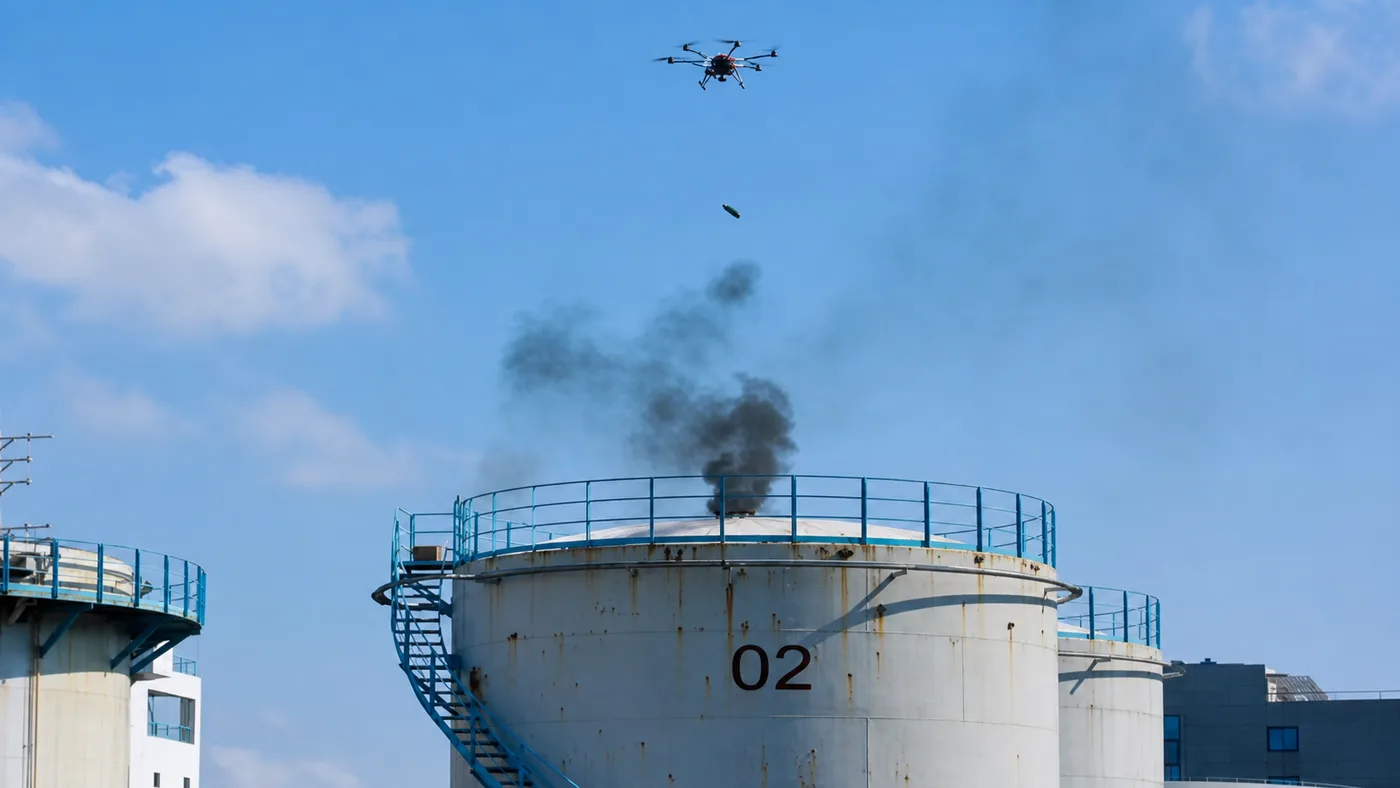
This page covers chemical plant C-UAS planning for low-altitude risk detection, target identification, location, tracking, warning, and site response planning around tank farms, loading areas, hazardous-material storage zones, and petrochemical perimeters.
A layered chemical-plant C-UAS solution for tank farms, loading areas, hazardous-material storage zones, and petrochemical park perimeters. The process helps operators detect abnormal low-altitude activity, identify and locate the target, track it with visual confirmation, issue graded warnings, and support coordinated site response plans.RF sensing, Remote ID monitoring, and low-altitude radar help discover abnormal aerial activity around plant boundaries, tank areas, loading zones, and process corridors.
EO and thermal tracking helps confirm the target, follow movement trends, and reduce uncertainty in steam, dust, low-light, and complex industrial backgrounds.
Platform linkage turns separate detection and visual inputs into a shared alert picture for the security room, patrol team, and on-duty site personnel.
The solution follows the practical process described in critical-infrastructure protection planning: discover abnormal aerial activity, identify and locate the target, confirm it visually, link the alert to the security room, and support site-level handling.
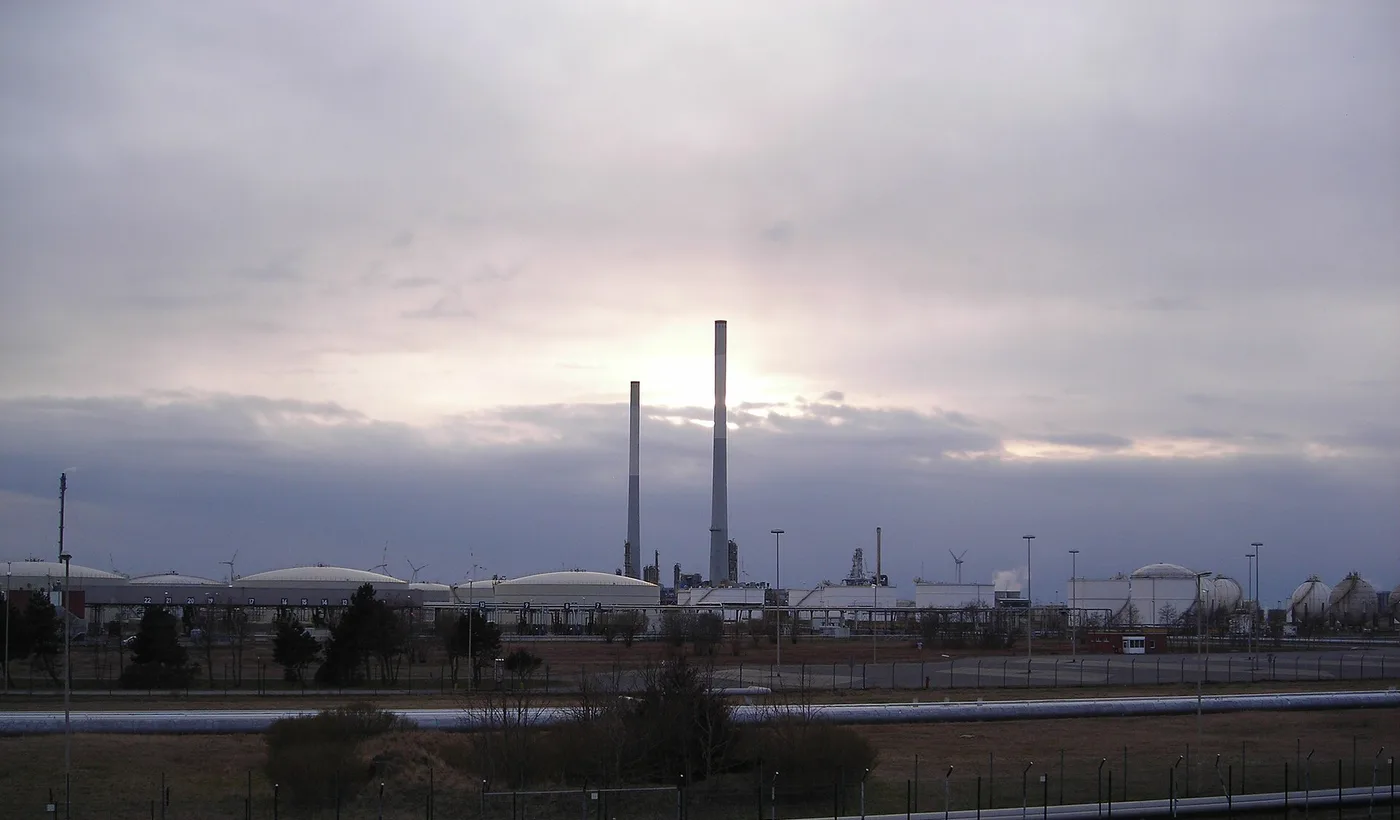
Build a low-altitude perception layer around plant boundaries, tank areas, loading points, and restricted industrial zones.
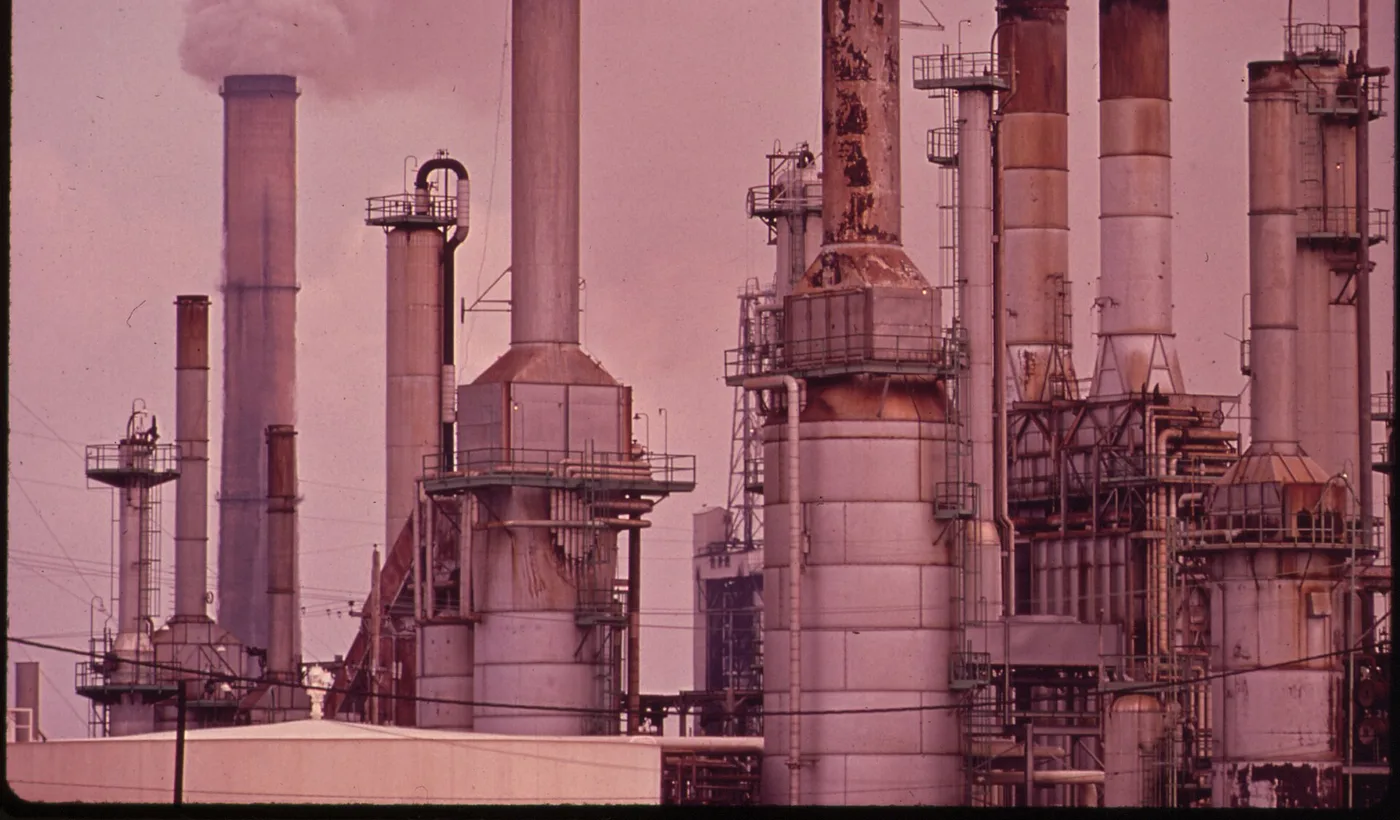
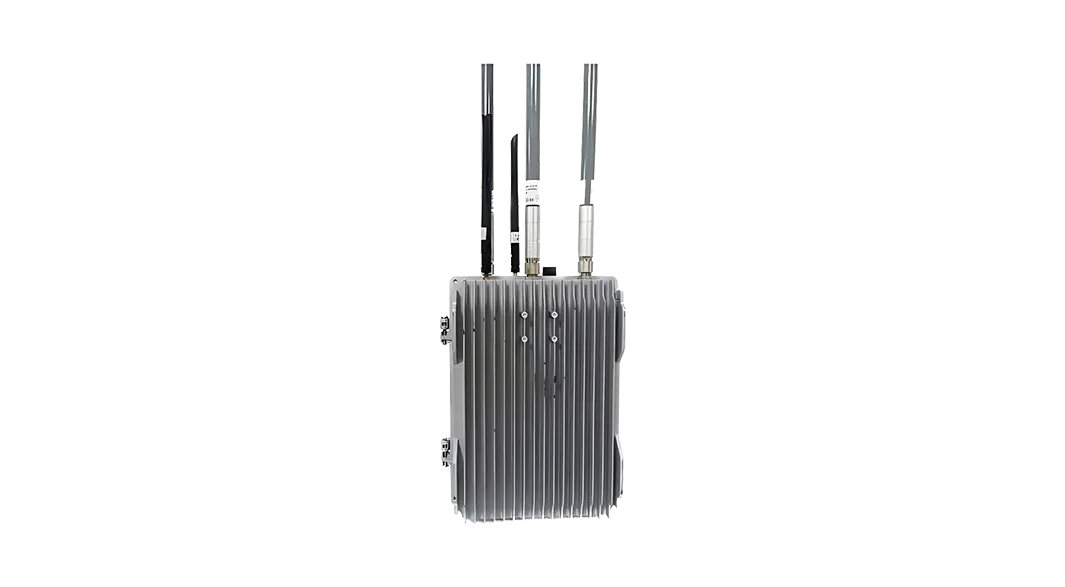
Use RF sensing, Remote ID data, and low-altitude radar as complementary inputs to identify abnormal aerial activity and provide location context to the security room.
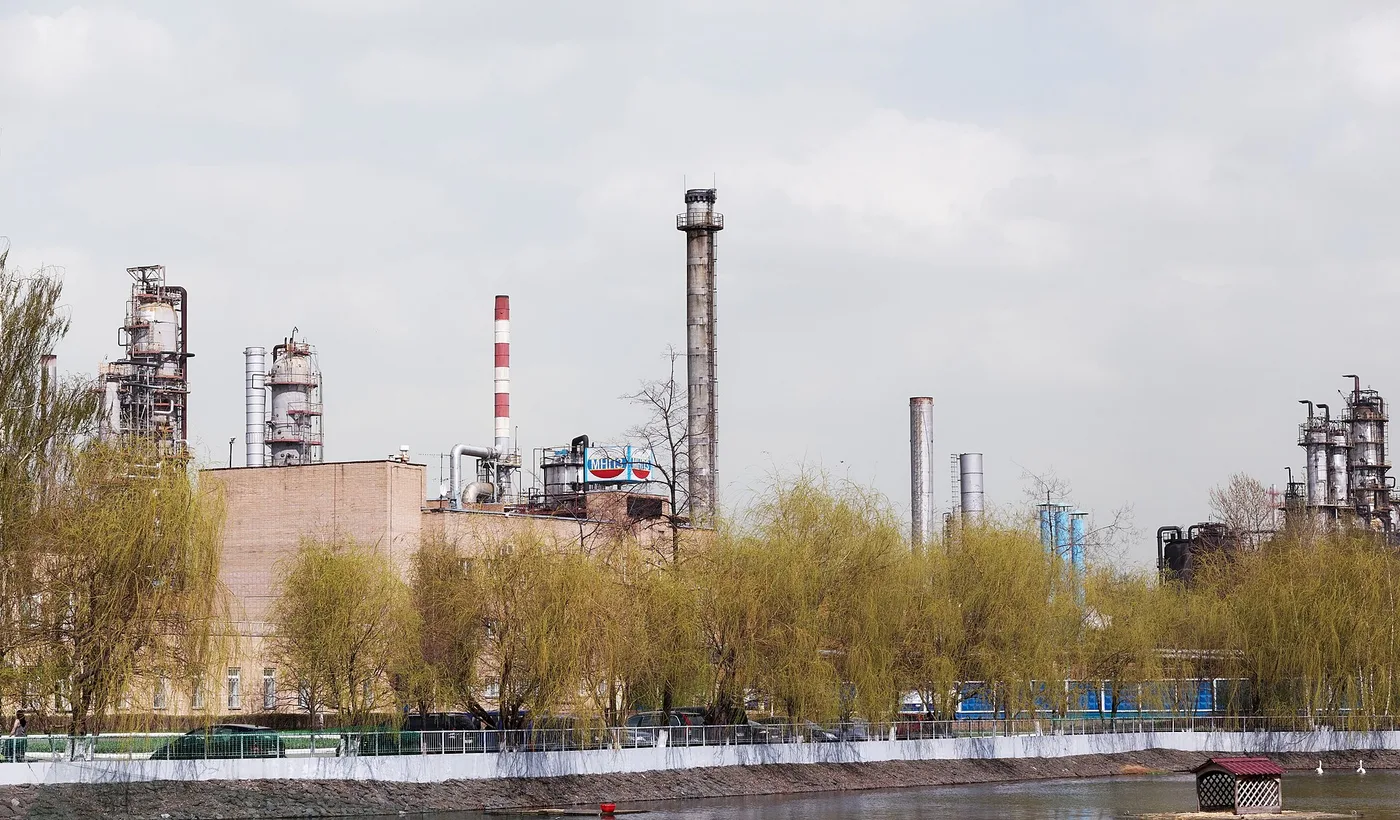
Use visible-light and thermal observation to confirm target type, track movement trends, and support operator judgment in complex industrial backgrounds.
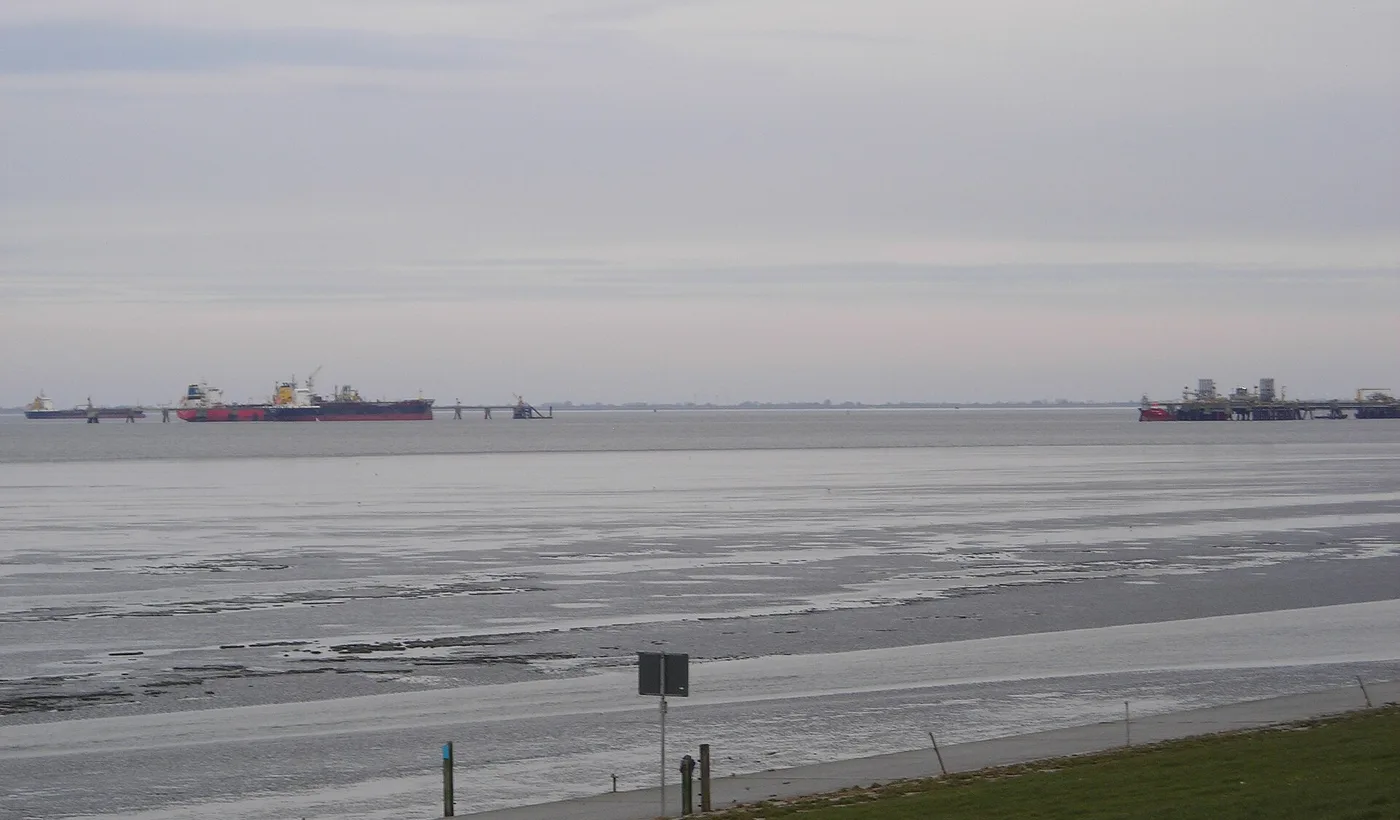
Send graded warnings to the security room with map context, target status, and zone information so duty teams can understand the event quickly.
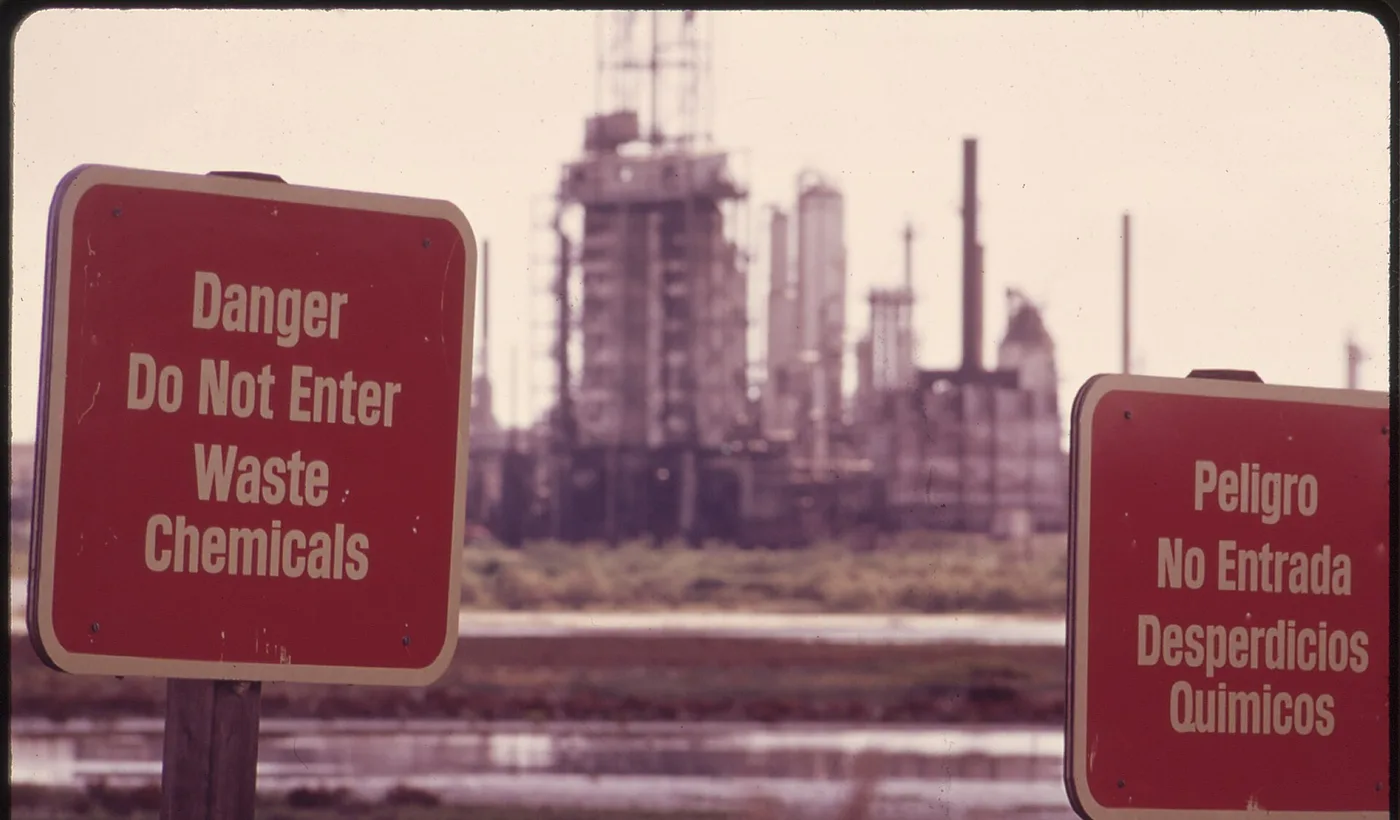
Support patrol verification, duty-team notification, emergency liaison, and other site procedures so operators can act from the same alert context.
For chemical plant C-UAS, confirm the operating scenario, payload, communications, endurance, maintenance plan, and related case evidence before selecting equipment.
Before selecting chemical plant C-UAS, the project team should confirm the operating area, mission duration, payload needs, communication conditions, safety requirements, and the data expected by the command or inspection team.
Selection usually compares chemical plant anti drone, low altitude warning, target identification, control stations, sensors, data links, power support, and service accessories so field operation stays stable from setup to result review.
Teams should confirm local permissions, operator training, spare parts, maintenance intervals, data handover, acceptance criteria, and the escalation path for field support.
Tell us the equipment, application or site you are reviewing. Our team can provide product information, technical documents, pricing and configuration support.
A layered chemical-plant C-UAS solution for tank farms, loading areas, hazardous-material storage zones, and petrochemical park perimeters. The process helps operators detect abnormal low-altitude activity, identify and locate the target, track it with visual confirmation, issue graded warnings, and support coordinated site response plans.
Chemical and petrochemical sites contain storage tanks, loading points, pipe corridors, control rooms, and restricted process zones where low-altitude intrusion can quickly become a safety, privacy, or continuity concern.
Large plant footprints, night shifts, steam, dust, high structures, and complex perimeter roads make it difficult for patrol teams and fixed cameras to discover small aerial targets in time.
Operators need a clear low-altitude response process that connects early discovery, target identification, visual confirmation, graded warnings, and site-level handling across duty teams.
RF sensing, Remote ID monitoring, and low-altitude radar help discover abnormal aerial activity around plant boundaries, tank areas, loading zones, and process corridors.
EO and thermal tracking helps confirm the target, follow movement trends, and reduce uncertainty in steam, dust, low-light, and complex industrial backgrounds.
Platform linkage turns separate detection and visual inputs into a shared alert picture for the security room, patrol team, and on-duty site personnel.
Build a low-altitude perception layer around plant boundaries, tank areas, loading points, and restricted industrial zones.
Use RF sensing, Remote ID data, and low-altitude radar as complementary inputs to identify abnormal aerial activity and provide location context to the security room.
Use visible-light and thermal observation to confirm target type, track movement trends, and support operator judgment in complex industrial backgrounds.
Send graded warnings to the security room with map context, target status, and zone information so duty teams can understand the event quickly.
Support patrol verification, duty-team notification, emergency liaison, and other site procedures so operators can act from the same alert context.
For chemical plant C-UAS, confirm the operating scenario, payload, communications, endurance, maintenance plan, and related case evidence before selecting equipment.
Before selecting chemical plant C-UAS, the project team should confirm the operating area, mission duration, payload needs, communication conditions, safety requirements, and the data expected by the command or inspection team.
Selection usually compares chemical plant anti drone, low altitude warning, target identification, control stations, sensors, data links, power support, and service accessories so field operation stays stable from setup to result review.
Teams should confirm local permissions, operator training, spare parts, maintenance intervals, data handover, acceptance criteria, and the escalation path for field support.
Tell us the equipment, application or site you are reviewing. Our team can provide product information, technical documents, pricing and configuration support.