01
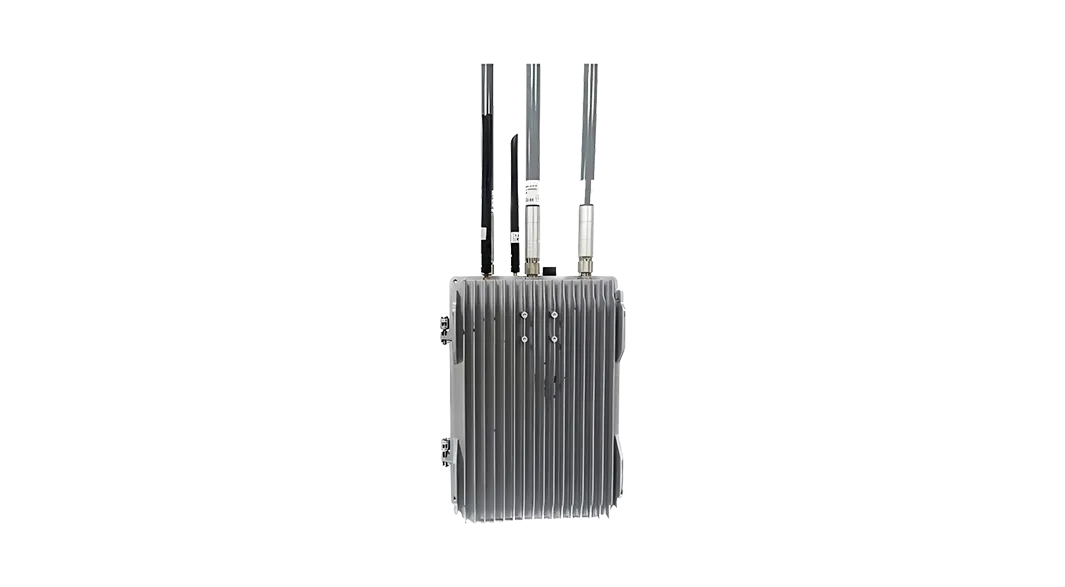
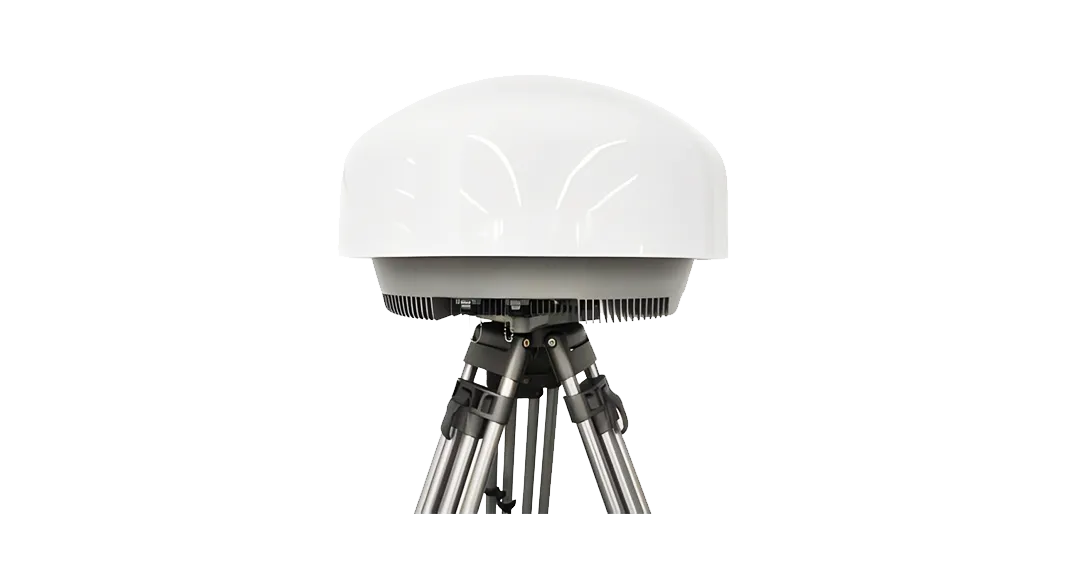
RF sensing, Remote ID monitoring, and low-altitude radar help discover abnormal aerial activity around plant boundaries, tank areas, loading zones, and process corridors.

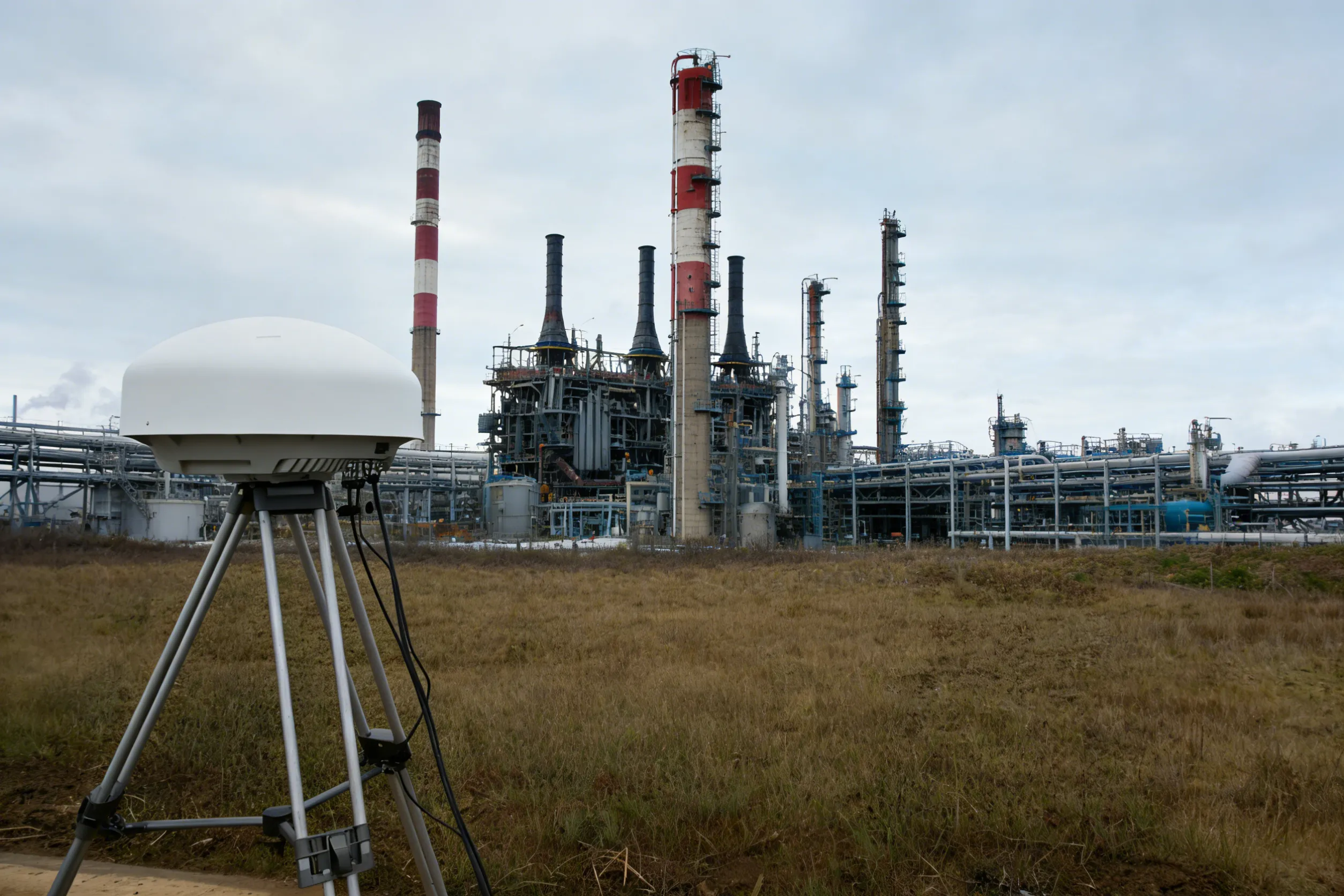
طائرات تفتيش خطوط الأنابيب هو موضوع البحث الرئيسي لهذه الصفحة، مع تغطية مرتبطة بـ مراقبة المصانع الكيميائية, تفتيش خطوط الأنابيب باستخدام UAV, تفتيش النفط والغاز بالطائرات بدون طيار.
يُستخدم حل مراقبة للمنشآت الكيميائية في الدوريات والمراقبة واسعة النطاق، مع دعم الفحص الأمني وإدارة المواقع الحيوية وتنسيق فرق التشغيل حسب متطلبات الموقع. يساعد الحل على جمع المعلومات، وتوثيق الأحداث، وتحويل بيانات المراقبة إلى إجراءات قابلة للمراجعة دون كشف تفاصيل تشغيلية حساسة.RF sensing, Remote ID monitoring, and low-altitude radar help discover abnormal aerial activity around plant boundaries, tank areas, loading zones, and process corridors.
EO and thermal tracking helps confirm the target, follow movement trends, and reduce uncertainty in steam, dust, low-light, and complex industrial backgrounds.
Platform linkage turns separate detection and visual inputs into a shared alert picture for the security room, patrol team, and on-duty site personnel.
The solution follows the practical process described in critical-infrastructure protection planning: discover abnormal aerial activity, identify and locate the target, confirm it visually, link the alert to the security room, and support site-level handling.
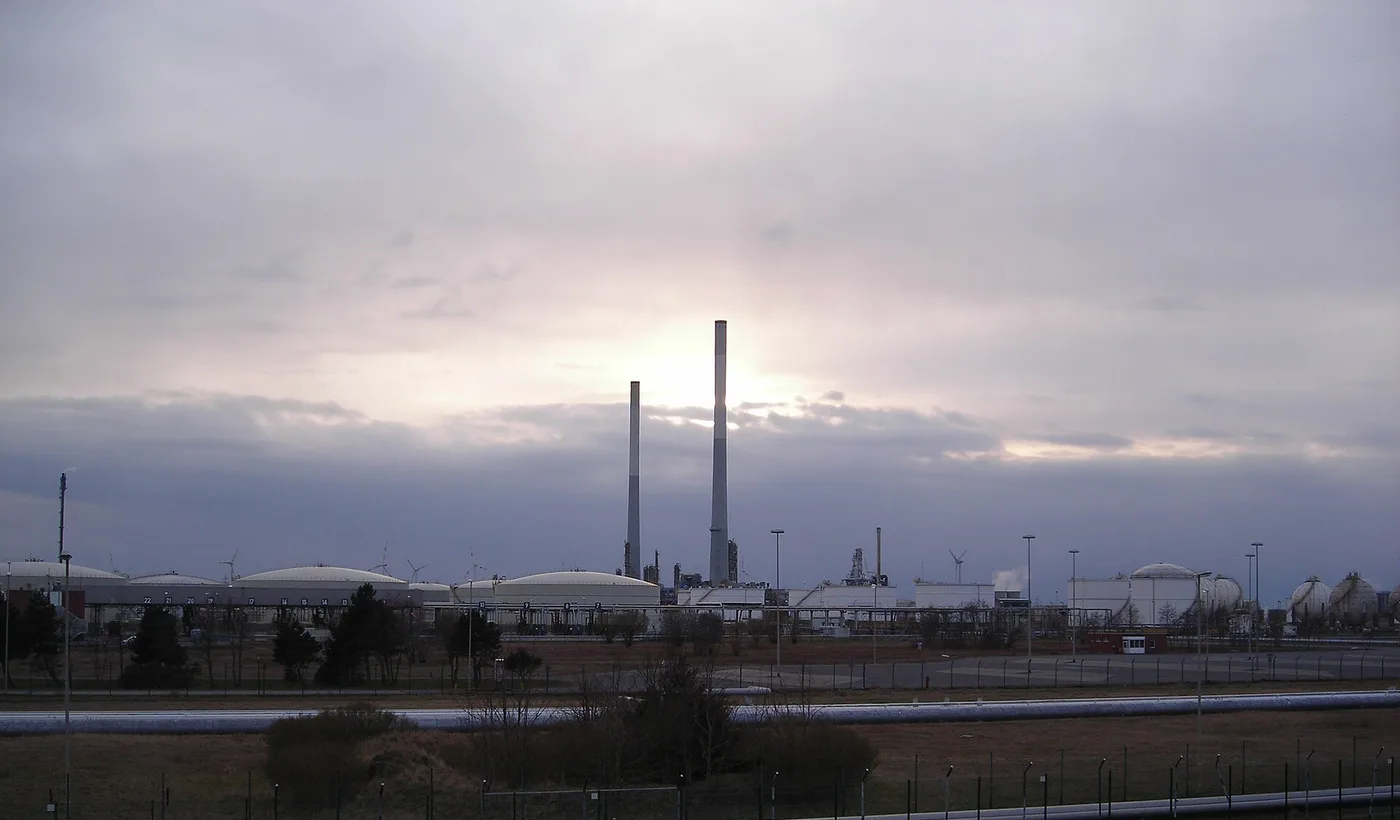
Build a low-altitude perception layer around plant boundaries, tank areas, loading points, and restricted industrial zones.
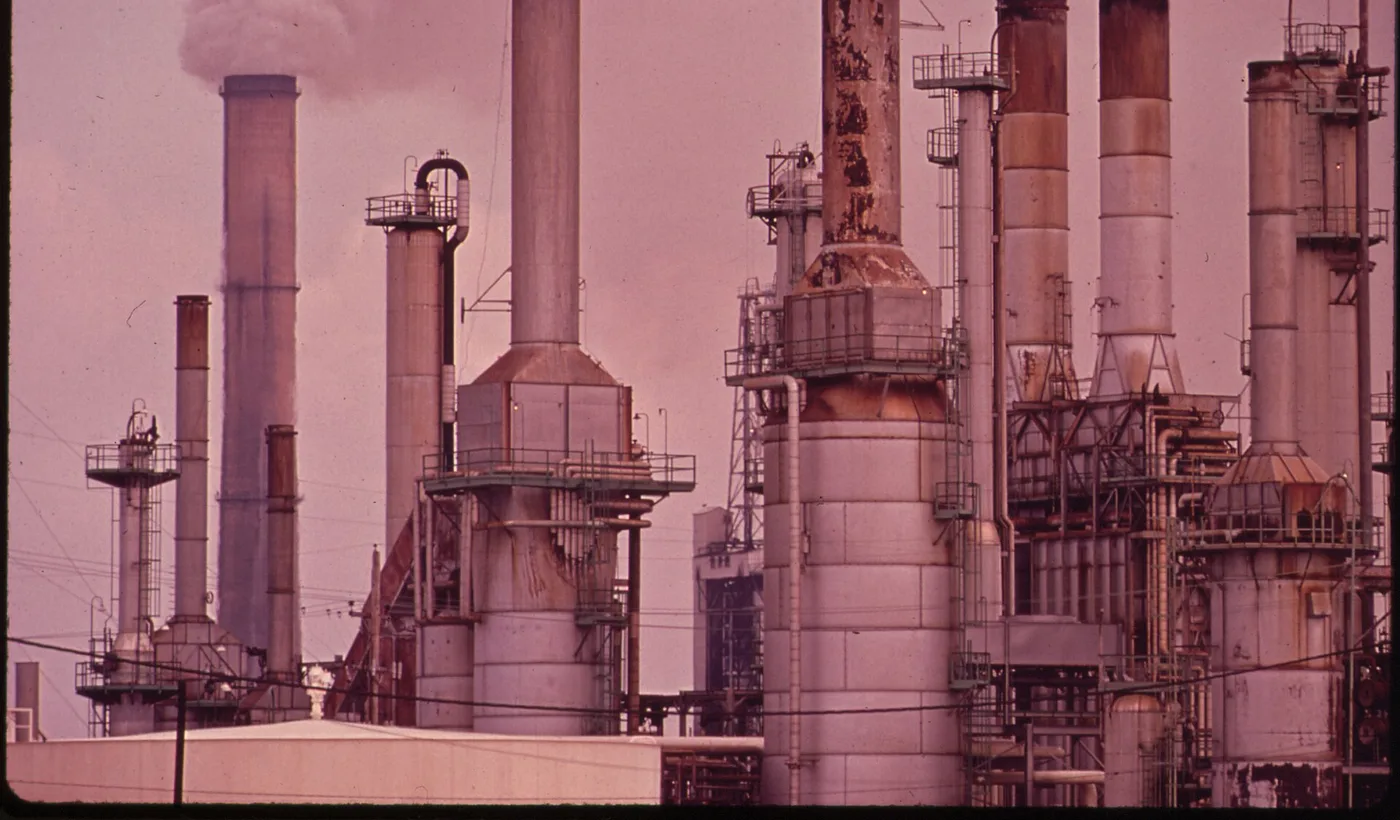
Use RF sensing, Remote ID data, and low-altitude radar as complementary inputs to identify abnormal aerial activity and provide location context to the security room.
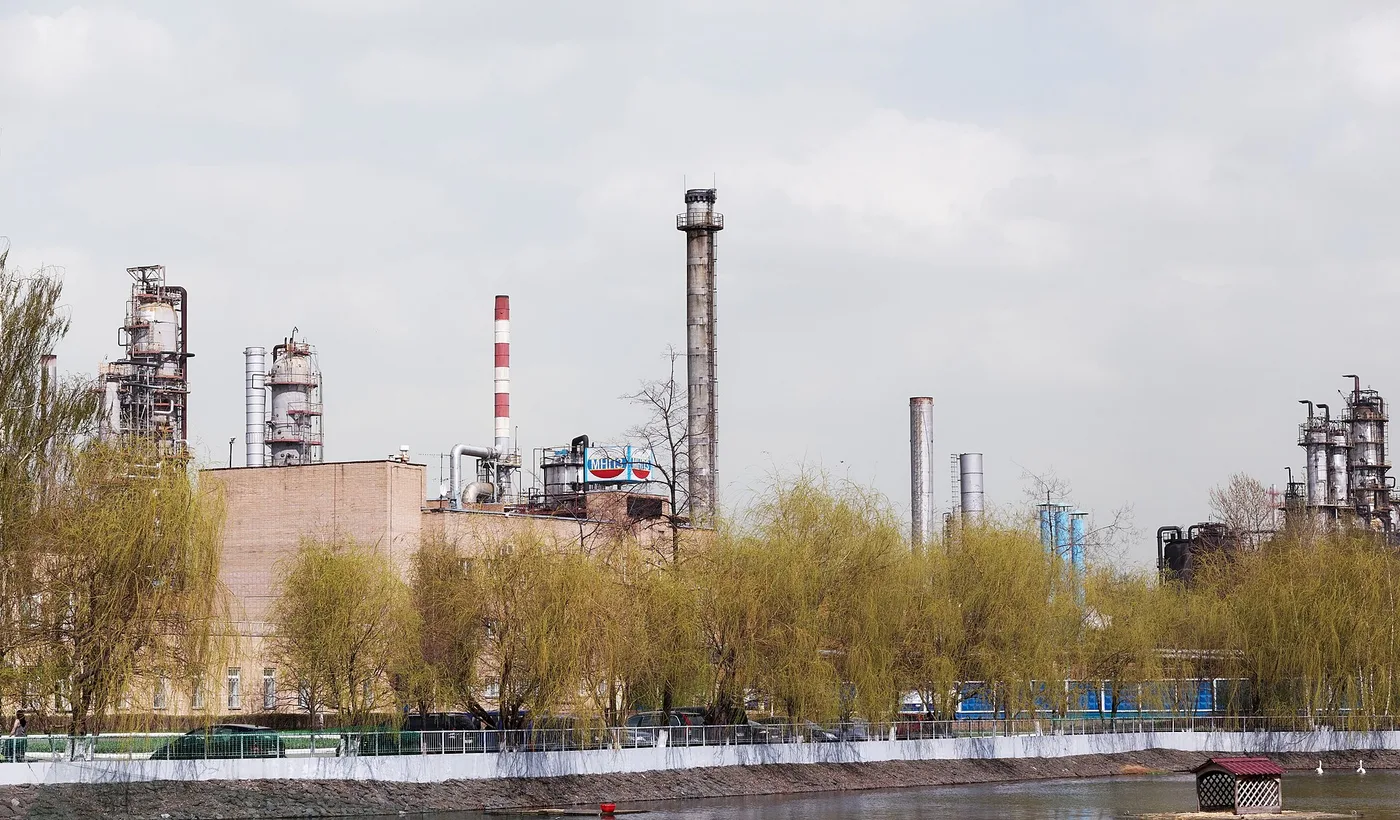
Use visible-light and thermal observation to confirm target type, track movement trends, and support operator judgment in complex industrial backgrounds.
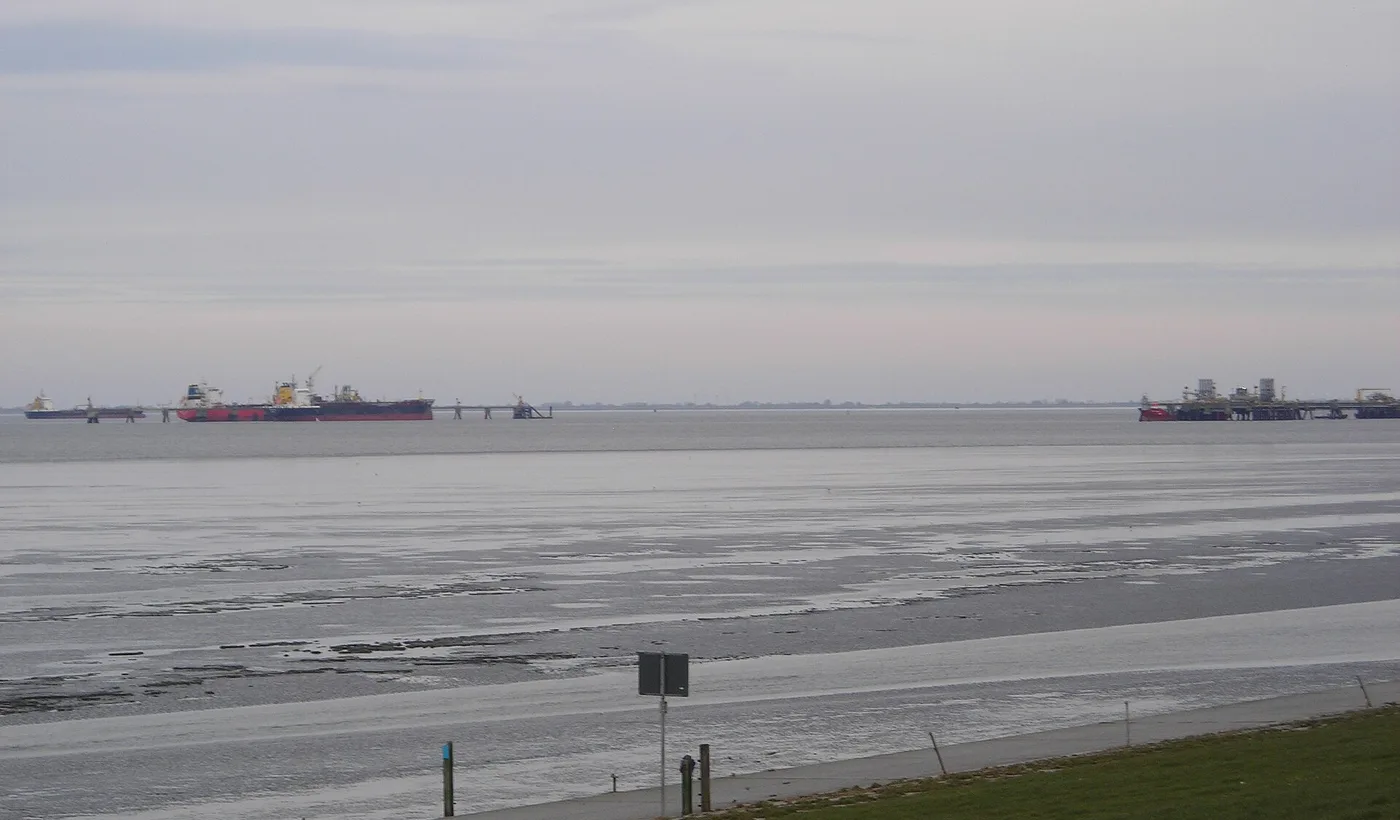
Send graded alerts to the security room with map context, target status, and zone information so duty teams can understand the event quickly.
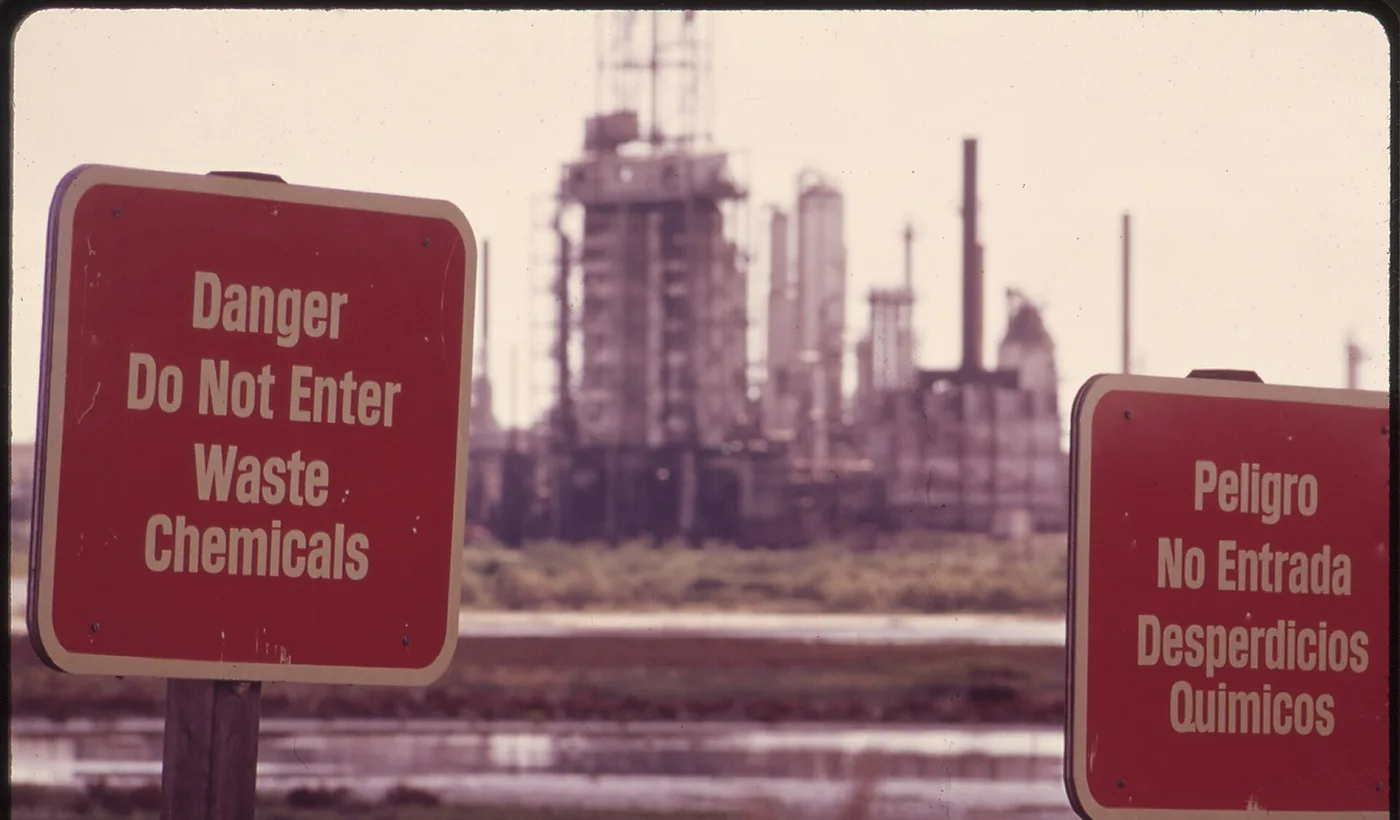
Support patrol verification, duty-team notification, emergency liaison, and other site procedures so operators can act from the same alert context.
بالنسبة إلى طائرات تفتيش خطوط الأنابيب، أكد سيناريو التشغيل والحمولة والاتصالات ومدة الطيران وخطة الصيانة وأدلة الحالات ذات الصلة قبل اختيار المعدات.
قبل اختيار طائرات تفتيش خطوط الأنابيب، يجب على فريق المشروع تأكيد منطقة التشغيل ومدة المهمة واحتياجات الحمولة وظروف الاتصال ومتطلبات السلامة والبيانات المتوقعة من فريق القيادة أو التفتيش.
عادة تقارن عملية الاختيار مراقبة المصانع الكيميائية, تفتيش خطوط الأنابيب باستخدام UAV, تفتيش النفط والغاز بالطائرات بدون طيار، ومحطات التحكم، والمستشعرات، وروابط البيانات، ودعم الطاقة وملحقات الخدمة حتى يبقى سير العمل مستقرا من الإعداد الميداني إلى مراجعة النتائج.
يجب أن تؤكد الفرق التصاريح المحلية وتدريب المشغل وقطع الغيار وفترات الصيانة وتسليم البيانات ومعايير قبول المشروع ومسار التصعيد للدعم الميداني.
يرجى تعبئة النموذج أدناه. سيساعدنا ذلك على فهم احتياجاتك في اختيار المعدات، أو تصميم الحل، أو الدعم الفني، أو خدمة ما بعد البيع، وسيتواصل معك فريقنا في أقرب وقت.
يُستخدم حل مراقبة للمنشآت الكيميائية في الدوريات والمراقبة واسعة النطاق، مع دعم الفحص الأمني وإدارة المواقع الحيوية وتنسيق فرق التشغيل حسب متطلبات الموقع. يساعد الحل على جمع المعلومات، وتوثيق الأحداث، وتحويل بيانات المراقبة إلى إجراءات قابلة للمراجعة دون كشف تفاصيل تشغيلية حساسة.
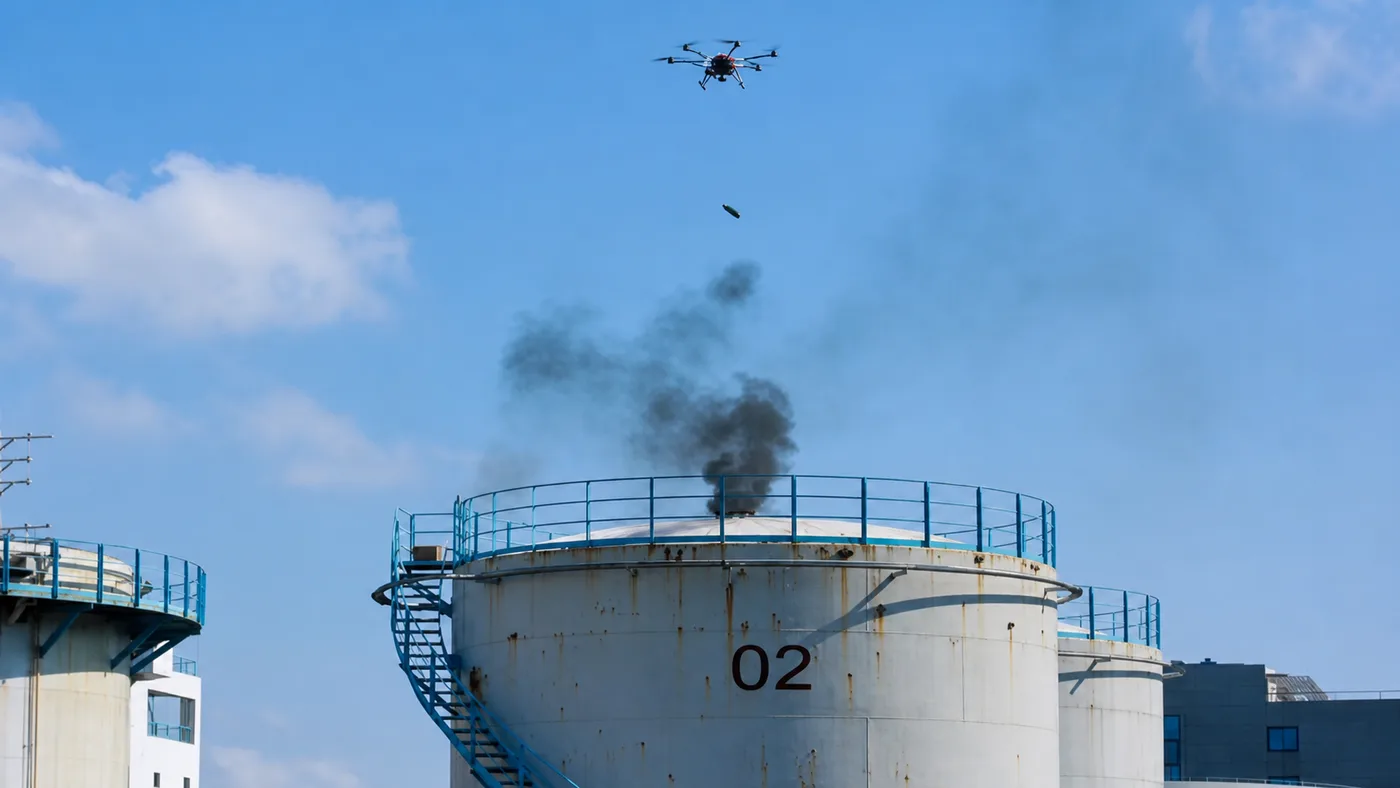
Chemical and petrochemical sites contain storage tanks, loading points, pipe corridors, control rooms, and restricted process zones where low-altitude intrusion can quickly become a safety, privacy, or continuity concern.
Large plant footprints, night shifts, steam, dust, high structures, and complex perimeter roads make it difficult for patrol teams and fixed cameras to discover small aerial targets in time.
Operators need a clear low-altitude response process that connects early discovery, target identification, visual confirmation, graded alerts, and site-level handling across duty teams.
RF sensing, Remote ID monitoring, and low-altitude radar help discover abnormal aerial activity around plant boundaries, tank areas, loading zones, and process corridors.
EO and thermal tracking helps confirm the target, follow movement trends, and reduce uncertainty in steam, dust, low-light, and complex industrial backgrounds.
Platform linkage turns separate detection and visual inputs into a shared alert picture for the security room, patrol team, and on-duty site personnel.
Build a low-altitude perception layer around plant boundaries, tank areas, loading points, and restricted industrial zones.
Use RF sensing, Remote ID data, and low-altitude radar as complementary inputs to identify abnormal aerial activity and provide location context to the security room.
Use visible-light and thermal observation to confirm target type, track movement trends, and support operator judgment in complex industrial backgrounds.
Send graded alerts to the security room with map context, target status, and zone information so duty teams can understand the event quickly.
Support patrol verification, duty-team notification, emergency liaison, and other site procedures so operators can act from the same alert context.
بالنسبة إلى طائرات تفتيش خطوط الأنابيب، أكد سيناريو التشغيل والحمولة والاتصالات ومدة الطيران وخطة الصيانة وأدلة الحالات ذات الصلة قبل اختيار المعدات.
قبل اختيار طائرات تفتيش خطوط الأنابيب، يجب على فريق المشروع تأكيد منطقة التشغيل ومدة المهمة واحتياجات الحمولة وظروف الاتصال ومتطلبات السلامة والبيانات المتوقعة من فريق القيادة أو التفتيش.
عادة تقارن عملية الاختيار مراقبة المصانع الكيميائية, تفتيش خطوط الأنابيب باستخدام UAV, تفتيش النفط والغاز بالطائرات بدون طيار، ومحطات التحكم، والمستشعرات، وروابط البيانات، ودعم الطاقة وملحقات الخدمة حتى يبقى سير العمل مستقرا من الإعداد الميداني إلى مراجعة النتائج.
يجب أن تؤكد الفرق التصاريح المحلية وتدريب المشغل وقطع الغيار وفترات الصيانة وتسليم البيانات ومعايير قبول المشروع ومسار التصعيد للدعم الميداني.
يرجى تعبئة النموذج أدناه. سيساعدنا ذلك على فهم احتياجاتك في اختيار المعدات، أو تصميم الحل، أو الدعم الفني، أو خدمة ما بعد البيع، وسيتواصل معك فريقنا في أقرب وقت.