Continuous fixed-site coverage
Monitor planned sectors with installed sensors, network links and a standing command workflow.

Compare fixed-site, portable and vehicle-mounted Drone Shield configurations for multi-sensor detection, target tracking, command and coordinated response.
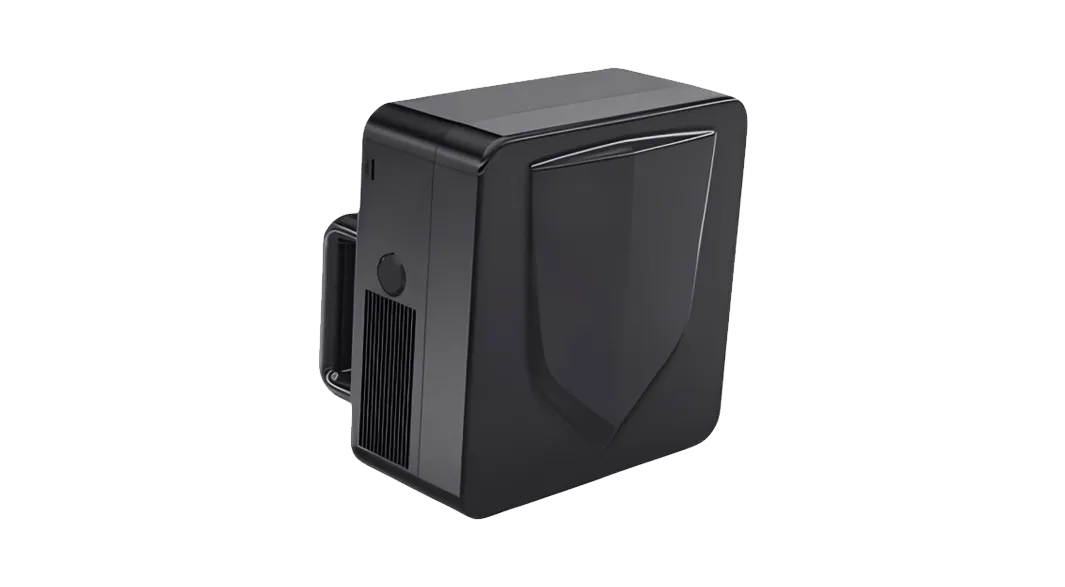
A practical Drone Shield is a layered site-protection architecture rather than a single product. Fixed RF, radar, Remote ID and EO/IR equipment provides continuous detection, identification and tracking across planned sectors. Portable field units support temporary posts, patrol teams and event deployments. Vehicle-mounted configurations let teams reposition between operating points while maintaining sensor, platform and communications links. After target identification and visual confirmation, a Directional RF Jammer can provide focused sector coverage or an Omni-directional RF Jammer can provide 360-degree fixed-site coverage. Selection begins with the site boundary, approach directions, readiness time, staffing, power, network, nearby communications and required response mode. Buildings, terrain, RF conditions, weather, mounting geometry and target characteristics still affect performance.
Monitor planned sectors with installed sensors, network links and a standing command workflow.
Set up a portable unit for short-duration events, worksites or temporary posts.
Carry an integrated field kit that joins evidence, event records and command handoff.
Reposition a configured sensor package between reviewed operating points.
Choose the deployment format first, then define sensors, power, network, command interfaces and response equipment.
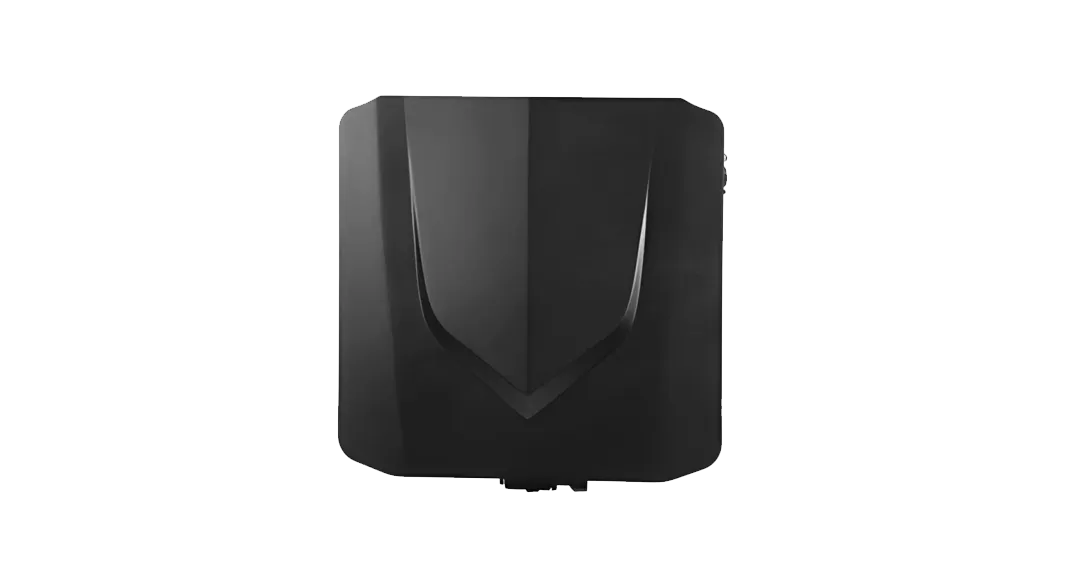
A portable field unit for temporary sites and patrol teams that need local early warning and event review.
A higher-coverage portable configuration for controlled sites requiring identification, positioning review and records.
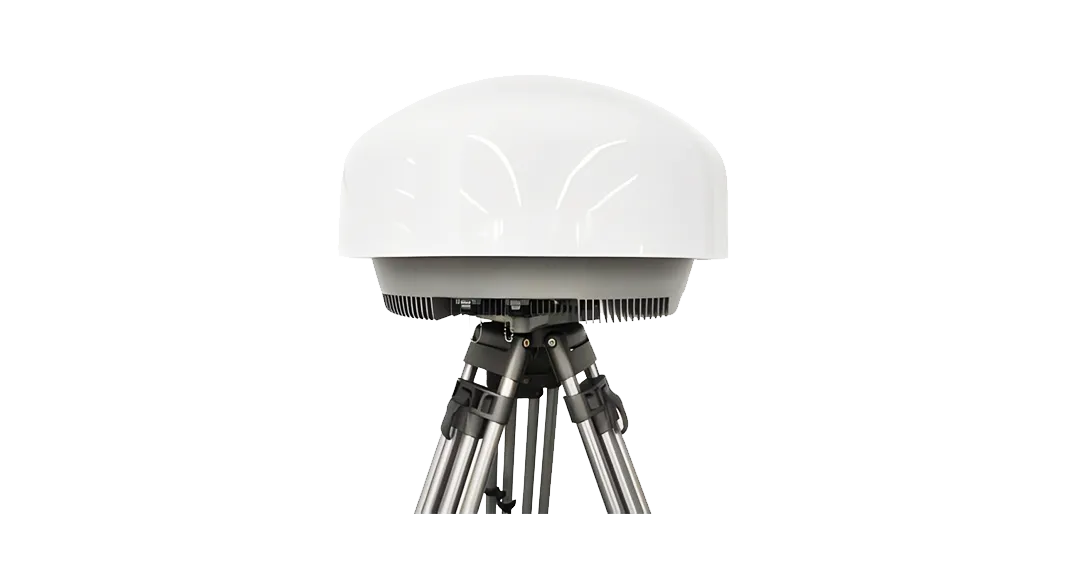
A fixed passive RF layer for continuous site awareness, supported identification and direction finding.
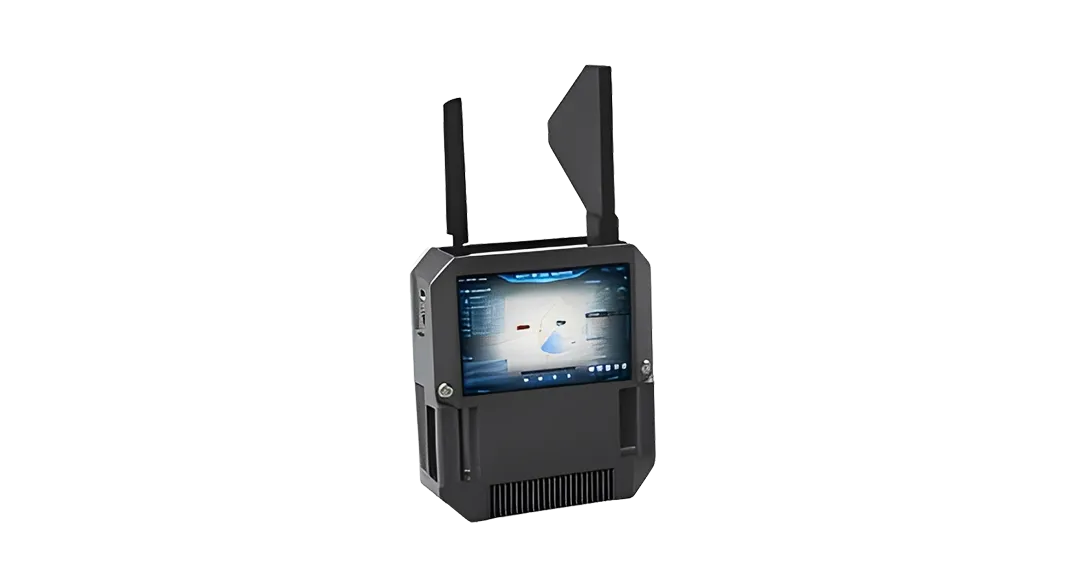
A rapid-deployment kit for RF awareness, target clues, tracking cues, event records and command coordination.

A project-configured mobile sensor and platform package for patrol routes and rapid repositioning.
Compare how the team operates before comparing individual product ranges.
| Selection factor | Fixed-site system | Portable field unit | Integrated field kit | Vehicle-mounted system |
|---|---|---|---|---|
| Best fit | Continuous site monitoring | Temporary post or patrol | Rapid-deployment team | Mobile multi-sector patrol |
| Readiness model | Installed and continuously available | Carry, position and start | Repeatable field setup | Reposition and validate at each stop |
| Typical evidence | Multi-sensor fixed coverage | Local RF awareness and review | Integrated clues and event records | Configured mobile sensor package |
| Key planning need | Mounting, power, network and blind zones | Transport, endurance and operator interface | Setup procedure and command linkage | Vehicle power, payload, vibration and horizon |
Every deployment format follows the same detection, identification, tracking, confirmation and command sequence.
The selected fixed, portable or mobile sensor layer creates an observation with available time and position data.
The operator reviews supported RF, identity, map, track and permitted-flight information.
Visual context and correlated site information establish the event status before escalation.
The command platform correlates the confirmed track, displays sensor and device status, coordinates the configured response sequence, and records alarms, commands and outcomes.
Define escalation contacts, decision authority, site procedures and record-retention requirements before commissioning.
Choose between installed continuity and mobile flexibility according to the site and operating team.
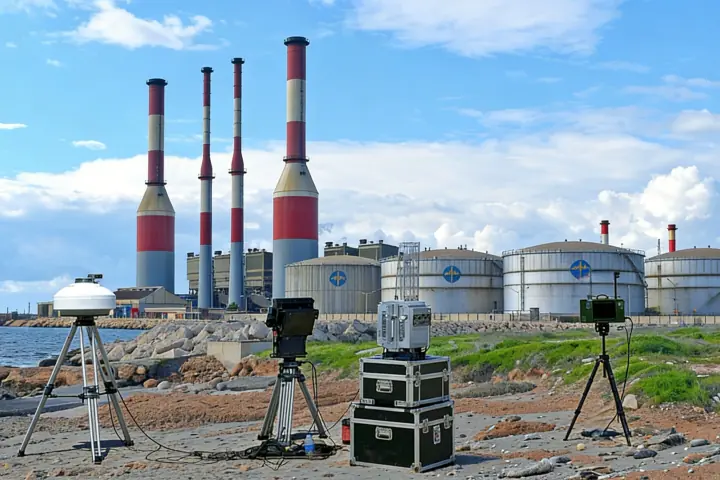
Installed RF, radar and EO/IR layers monitor priority sectors and pass confirmed events into the site command procedure.
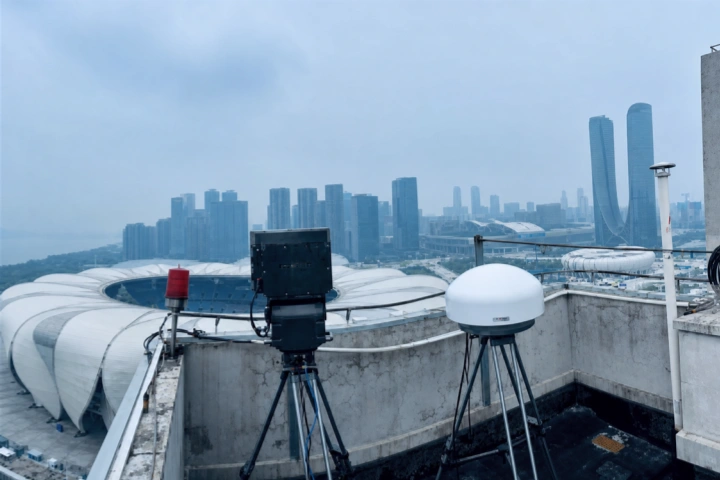
Portable and vehicle-supported equipment covers planned positions during a time-bound event deployment.
Not necessarily. A complete configuration can combine fixed, portable or mobile sensors, command software and directional or omni-directional RF jammers selected for the site.
Use it when a team needs temporary monitoring, patrol support or a repeatable field post without permanent installation.
Choose it when a trained team must cover several planned sectors and can support vehicle power, mounting, network and startup checks.
No. Buildings, terrain, RF noise, weather, mounting, target characteristics and test conditions affect usable coverage.
Tell us the equipment, application or site you are reviewing. Our team can provide product information, technical documents, pricing and configuration support.
Tell us the equipment, application or site you are reviewing. Our team can provide product information, technical documents, pricing and configuration support.