Individual patrol
Issue a lightweight handheld detector when one operator needs local alerts while moving.

Compare handheld detectors, hand-carried identification systems, integrated field kits and vehicle-mounted C-UAS configurations for temporary, patrol and mobile operations.
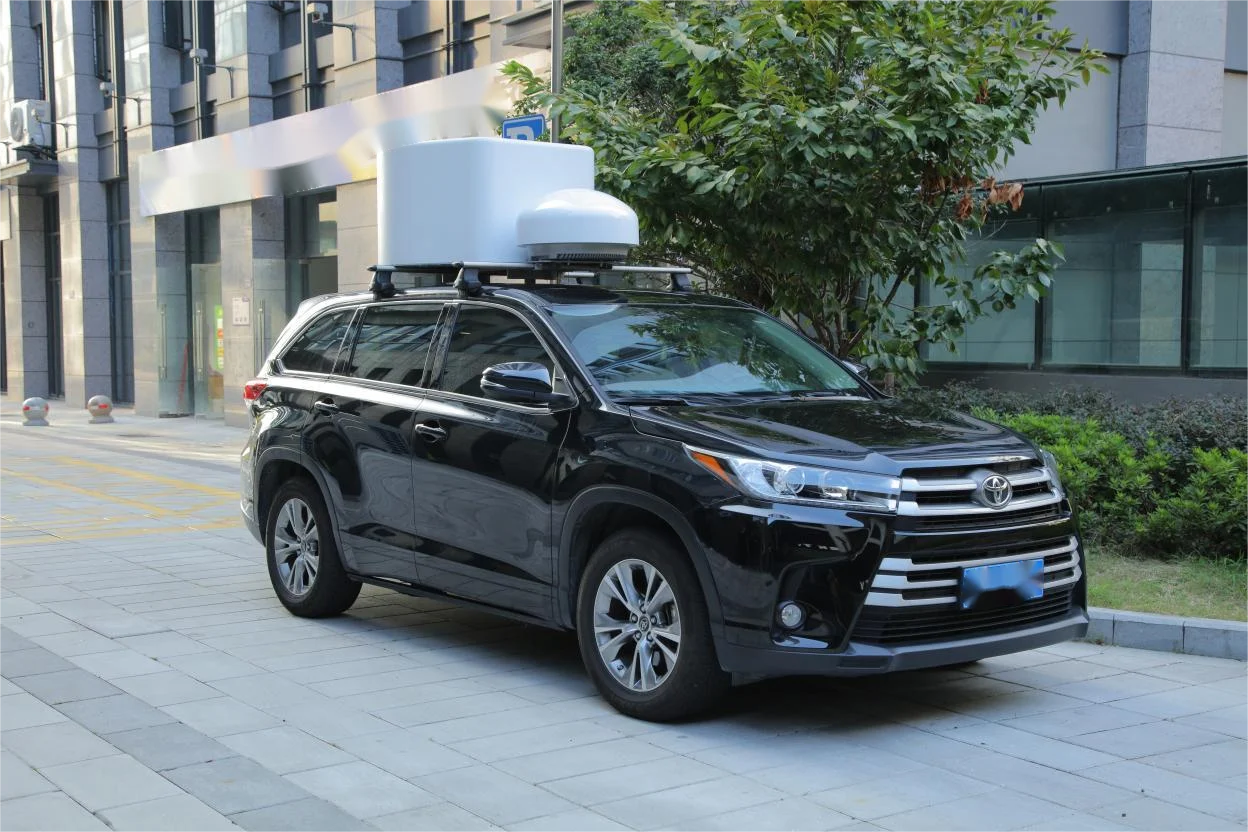
Portable C-UAS covers several deployment formats with different capabilities. A patrol team may need a lightweight handheld RF detector for local alerts. A temporary post may use a hand-carried identification system with a larger display, direction finding and positioning support. An integrated field kit combines detection, identification, tracking cues, alarm linkage, event records and command-platform coordination. Vehicle-mounted systems add multi-sensor integration and rapid repositioning between operating sectors, together with project-specific power, mounting, vibration and network requirements. Selection should begin with the mission, crew size, readiness time, operating duration, target information required and response mode—not detection range alone. RF performance depends on target radio activity, frequency coverage, local noise, antenna position and obstructions; radar, EO/IR and platform interfaces should be engineered as separate system layers.
Issue a lightweight handheld detector when one operator needs local alerts while moving.
Use a hand-carried identification system with a larger display and repeatable setup procedure.
Combine detection, identification, tracking cues, records and command handoff in one field kit.
Move a configured sensor and platform package between planned operating sectors.
Choose by operator role, readiness time, transport, power, sensor scope, target information and response mode.
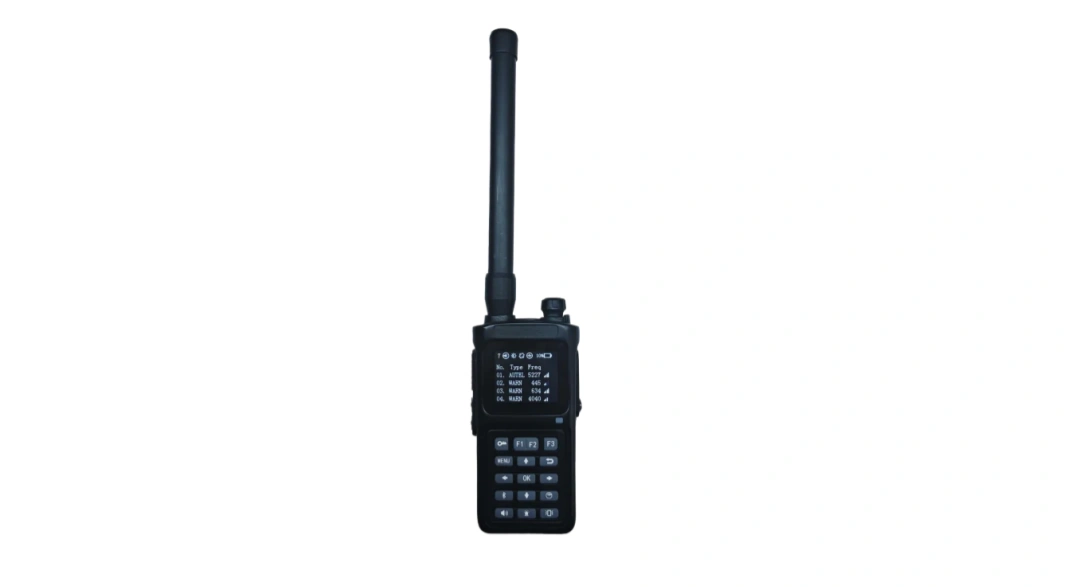
A lightweight passive RF monitor with replaceable battery and vibration, audible and visual alerts for individual patrol users.
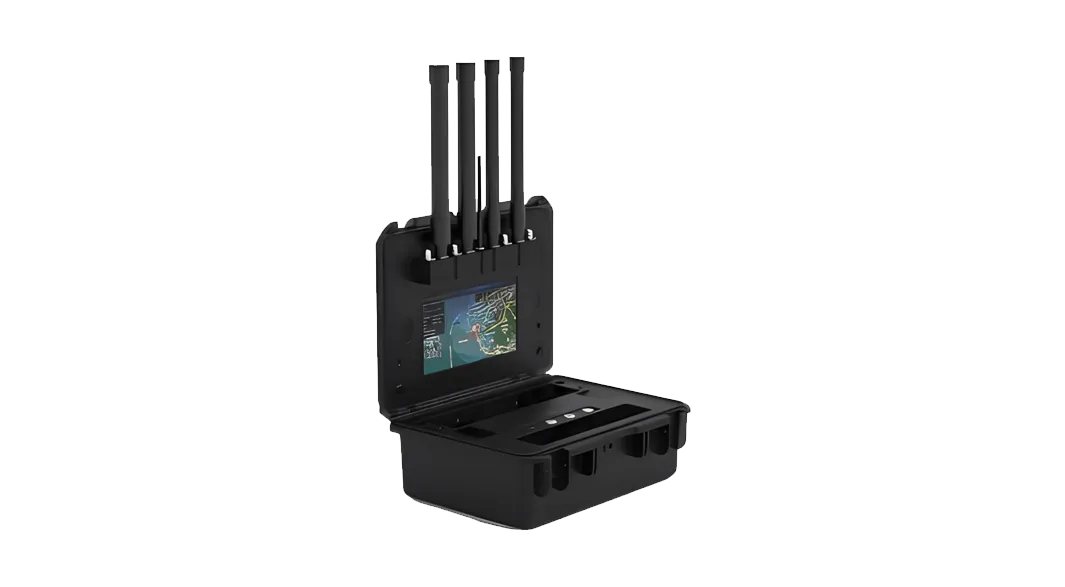
A 16 kg hand-carried system with integrated display for temporary monitoring, spectrum review and command-post use.
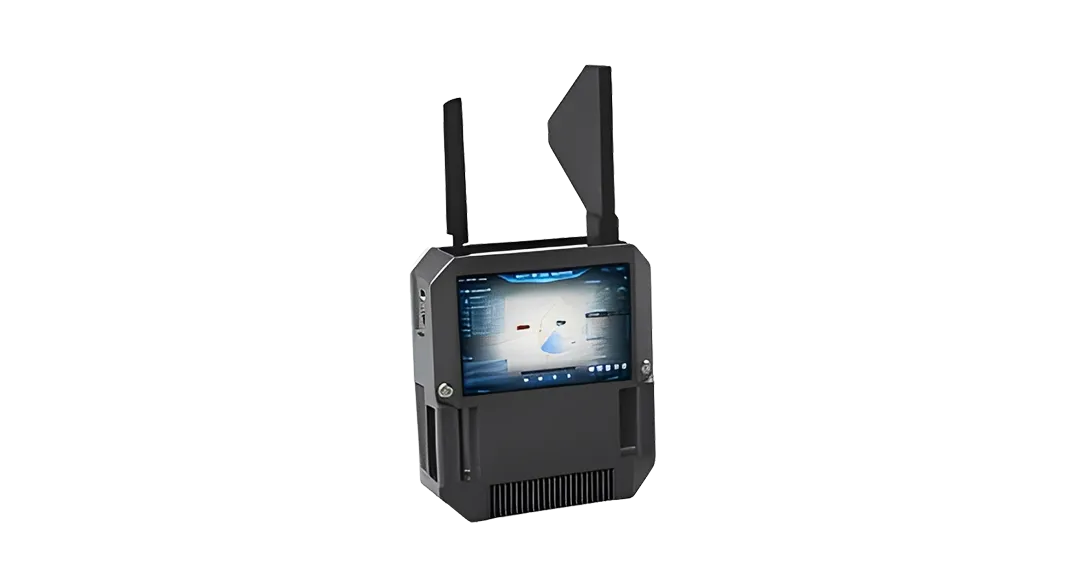
An 8 kg rapid-deployment kit for RF awareness, target identification, tracking cues, alert linkage, event records and platform coordination.
A project-configured mobile package for planned patrol routes, temporary operating positions and rapid repositioning.
Compare the operating model first. Product range values remain conditional on the stated target, environment and configuration.
| Selection factor | Handheld detector | Hand-carried RF system | Integrated field kit | Vehicle-mounted configuration |
|---|---|---|---|---|
| Best fit | Individual patrol | Temporary field post | Rapid-deployment team | Mobile multi-sector patrol |
| Primary scope | Local RF alerting | RF identification and review | Integrated evidence and command handoff | Configured mobile sensor package |
| Mobility format | 350 g class handheld | 16 kg hand-carried case | 8 kg field kit | Installed on project vehicle |
| Power / endurance | Up to 6 hours; replaceable battery | 5 hours rated endurance | Confirm field power configuration | Vehicle power plus project backup plan |
| Operator interface | Local screen, sound and vibration | 13.3-inch integrated display | Field kit and command-platform linkage | Onboard or remote command workflow |
The selected deployment format changes the equipment, but every project still needs a defined evidence and responsibility chain.
The handheld, field-kit or vehicle-mounted sensor layer creates an observation with available time, source, position or track data.
The operator reviews supported RF, identity, map and permitted-flight information without treating uncertain evidence as confirmed.
The field team adds location and visual context while the command workflow correlates other sensors or site information where available.
The command platform correlates the confirmed track, presents sensor and device status, coordinates the configured response sequence, and records alarms, commands and outcomes for review.
Define escalation contacts, decision authority, site procedures and record-retention requirements before commissioning.
Rapid-deployment kits and vehicle-mounted systems solve different movement, readiness, power and command requirements.
A field team carries one integrated kit to a temporary operating position and connects observations, identification clues and event records to the responsible command workflow.
A configured vehicle moves between planned sectors while the crew repeats positioning, power, network and sensor-validity checks at each operating point.
No. Portable may describe an individual handheld detector, a hand-carried identification system or an integrated field kit. Vehicle-mounted equipment is a separate mobile format with its own power, mounting and operating-position requirements.
Yes. The project scope should define the required detection, identification, positioning, tracking and RF response functions, along with operator roles, equipment interfaces, power, communications and field validation.
Choose vehicle-mounted equipment when a trained team must patrol several planned sectors or reposition quickly. The review should include vehicle power, payload, mounting, vibration, network options, safe operating positions and startup checks.
No. Target radio activity, antenna position, obstructions, local RF noise, configuration and test conditions affect usable range. Confirm the current datasheet and validate the planned operating environment.
They can be designed around a shared platform when interfaces, network availability, user roles, map positions, event records and offline procedures are confirmed during project review.
Tell us the equipment, application or site you are reviewing. Our team can provide product information, technical documents, pricing and configuration support.
Tell us the equipment, application or site you are reviewing. Our team can provide product information, technical documents, pricing and configuration support.