
N-TET

Inside N-TET: What We Check Before a Low-Altitude C-UAS Proposal
Published Reviewed by N-TET C-UAS Engineering Team
Inside N-TET: What We Check Before a Low-Altitude C-UAS Proposal

A low-altitude C-UAS proposal should not start with a product list. It should start with the operating problem: what the site cannot see, what the team cannot identify quickly, and which handling steps must be reviewed, approved, and recorded.

Site context comes before equipment selection

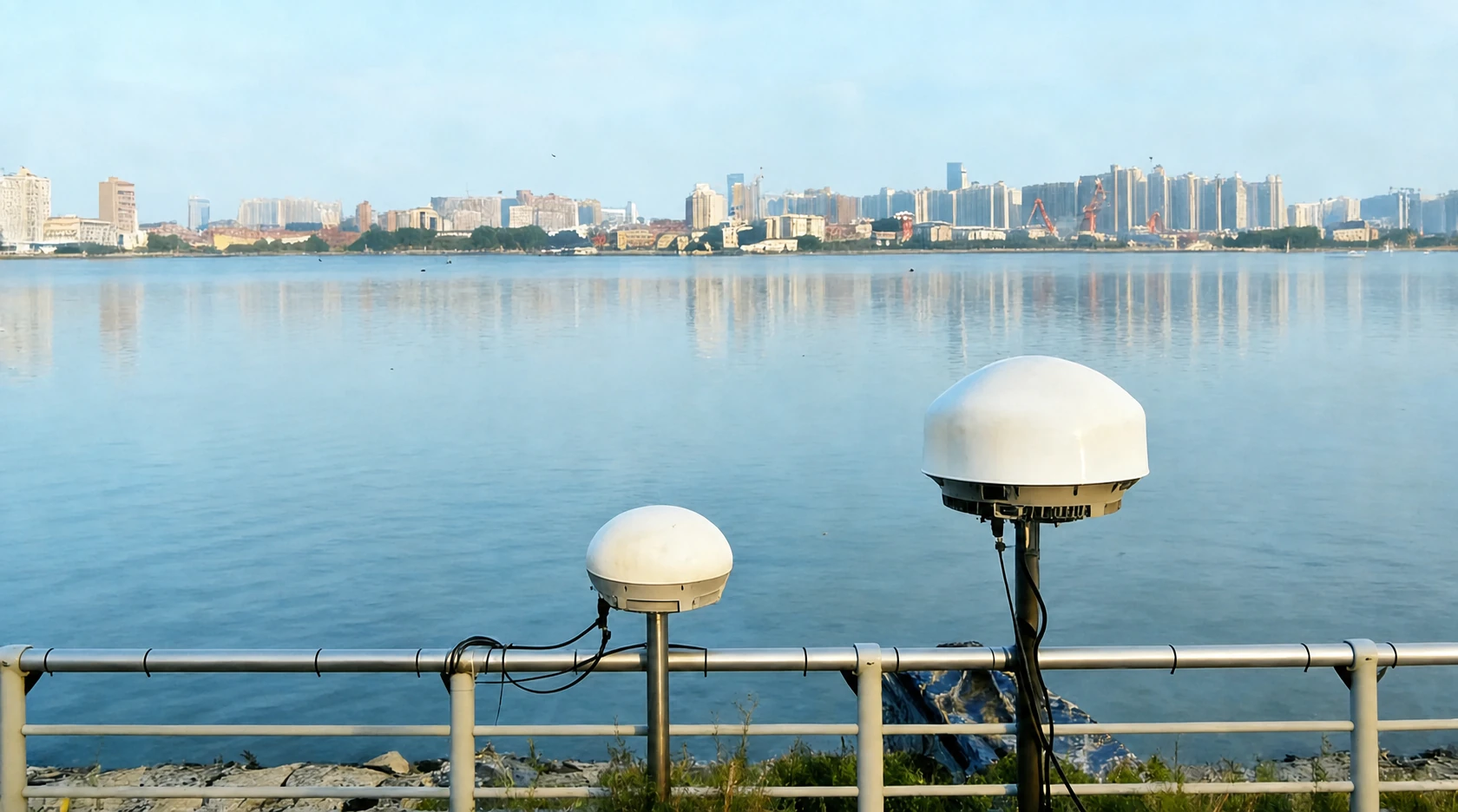
N-TET reviews the protected boundary, key assets, rooflines, nearby roads or water areas, existing cameras, power access, network conditions, weather exposure, and duty-room workflow before recommending a layout. Airports, industrial parks, refineries, substations, ports, venues, and large perimeter sites may all need low-altitude awareness, but their blind zones and staffing models are different.

The first engineering question is usually not which sensor has the longest range. It is whether RF sensing, radar tracking, EO/IR visual confirmation, Remote ID review, and platform records can work together inside the actual site routine.

We separate detection, confirmation, and response

Detection creates the first alert. Confirmation helps the operator decide whether the activity is a drone, a permitted operation, a maintenance object, or an environmental false cue. Response should follow the customer's approved procedure, with role assignment, escalation steps, and records that can be reviewed after the event.

This separation is important for public-facing C-UAS projects. It keeps the system focused on awareness, evidence, and lawful coordination instead of vague promises. It also helps buyers compare layouts without confusing sensing coverage with operational readiness.

What N-TET asks for during early review

  • Site map, boundary, key assets, and expected low-altitude approach directions.
  • Photos or video of rooflines, fence sections, open areas, control rooms, and mounting points.
  • Known drone activity, permitted flight routines, and local sources of RF noise or visual clutter.
  • Operator roles: who receives alerts, who confirms them, who approves response, and who archives records.
  • Integration needs for an existing security platform, video wall, network, or incident-reporting process.

With this information, N-TET can propose a monitoring architecture that is easier to explain, commission, tune, and maintain. The result is a C-UAS plan built around the site workflow, not a disconnected list of devices.

Get Expert Drone Defense Advice

Tell us the equipment, application or site you are reviewing. Our team can provide product information, technical documents, pricing and configuration support.

Step 1 of 2

Tell us about your project

*Deployment type

A short note is enough.

MEDIA
Home/Media/Inside N-TET: What We Check Before a Low-Altitude C-UAS Proposal
Inside N-TET: What We Check Before a Low-Altitude C-UAS Proposal
Published · Reviewed by N-TET C-UAS Engineering Team
Inside N-TET: What We Check Before a Low-Altitude C-UAS Proposal

A low-altitude C-UAS proposal should not start with a product list. It should start with the operating problem: what the site cannot see, what the team cannot identify quickly, and which handling steps must be reviewed, approved, and recorded.

Site context comes before equipment selection

N-TET reviews the protected boundary, key assets, rooflines, nearby roads or water areas, existing cameras, power access, network conditions, weather exposure, and duty-room workflow before recommending a layout. Airports, industrial parks, refineries, substations, ports, venues, and large perimeter sites may all need low-altitude awareness, but their blind zones and staffing models are different.

The first engineering question is usually not which sensor has the longest range. It is whether RF sensing, radar tracking, EO/IR visual confirmation, Remote ID review, and platform records can work together inside the actual site routine.

We separate detection, confirmation, and response

Detection creates the first alert. Confirmation helps the operator decide whether the activity is a drone, a permitted operation, a maintenance object, or an environmental false cue. Response should follow the customer's approved procedure, with role assignment, escalation steps, and records that can be reviewed after the event.

This separation is important for public-facing C-UAS projects. It keeps the system focused on awareness, evidence, and lawful coordination instead of vague promises. It also helps buyers compare layouts without confusing sensing coverage with operational readiness.

What N-TET asks for during early review

  • Site map, boundary, key assets, and expected low-altitude approach directions.
  • Photos or video of rooflines, fence sections, open areas, control rooms, and mounting points.
  • Known drone activity, permitted flight routines, and local sources of RF noise or visual clutter.
  • Operator roles: who receives alerts, who confirms them, who approves response, and who archives records.
  • Integration needs for an existing security platform, video wall, network, or incident-reporting process.

With this information, N-TET can propose a monitoring architecture that is easier to explain, commission, tune, and maintain. The result is a C-UAS plan built around the site workflow, not a disconnected list of devices.

Get Expert Drone Defense Advice

Tell us the equipment, application or site you are reviewing. Our team can provide product information, technical documents, pricing and configuration support.

Step 1 of 2

Tell us about your project

*Deployment type

A short note is enough.

WhatsApp