Внутри N-TET: что мы проверяем перед предложением C-UAS для малых высот
Опубликовано
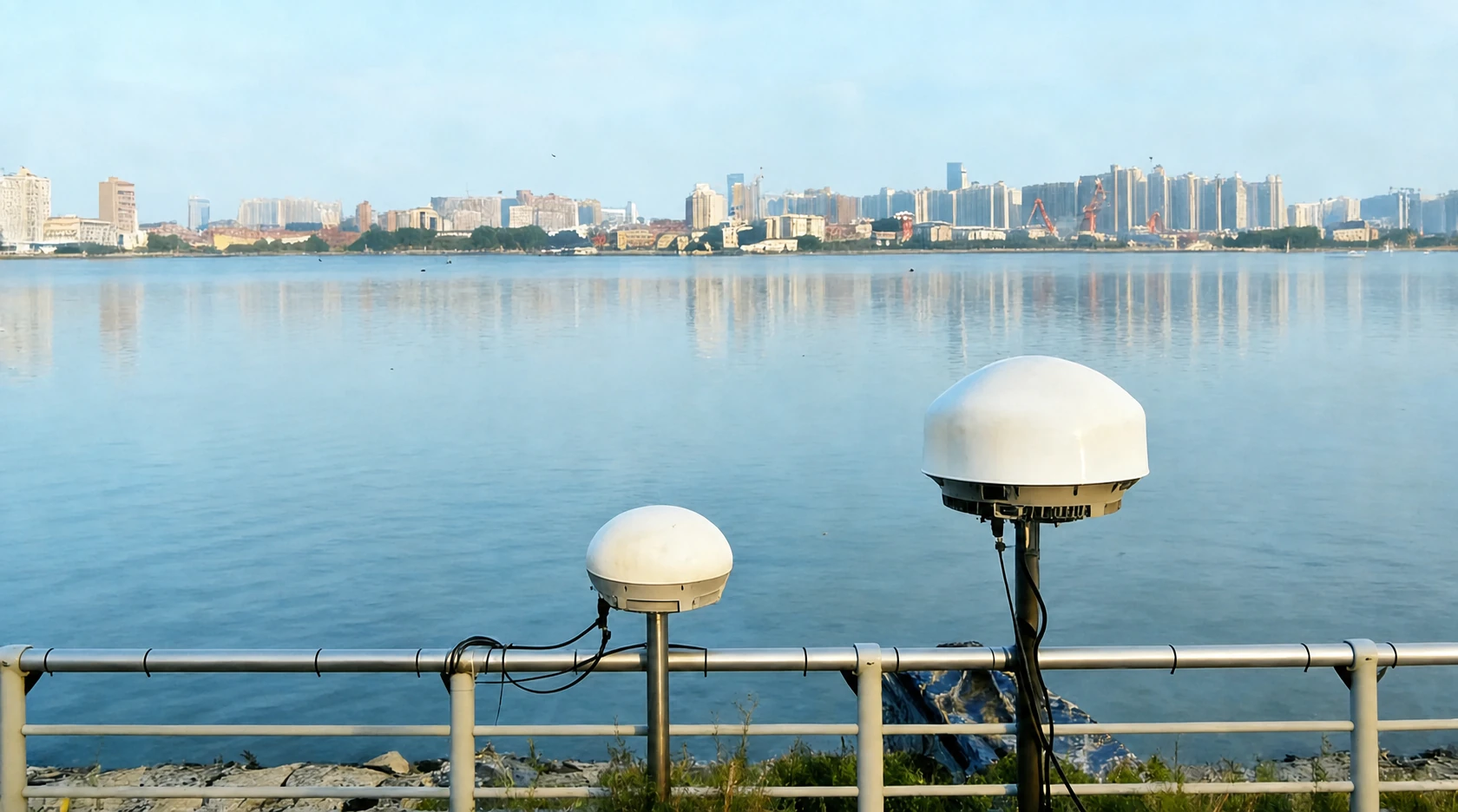
Практическое предложение начинается с границ объекта, слепых зон, ролей датчиков, проверки оператором, утверждения реагирования и записей событий.

Практическое предложение начинается с границ объекта, слепых зон, ролей датчиков, проверки оператором, утверждения реагирования и записей событий.
Укажите тип объекта, формат развертывания и интересующее оборудование. Команда N-TET подготовит информацию о конфигурации, техническую документацию, ориентировочную стоимость и сроки поставки.
A low-altitude C-UAS proposal should not start with a product list. It should start with the operating problem: what the site cannot see, what the team cannot identify quickly, and which handling steps must be reviewed, approved, and recorded.
N-TET reviews the protected boundary, key assets, rooflines, nearby roads or water areas, existing cameras, power access, network conditions, weather exposure, and duty-room workflow before recommending a layout. Airports, industrial parks, refineries, substations, ports, venues, and large perimeter sites may all need low-altitude awareness, but their blind zones and staffing models are different.
The first engineering question is usually not which sensor has the longest range. It is whether RF sensing, radar tracking, EO/IR visual confirmation, Remote ID review, and platform records can work together inside the actual site routine.
Detection creates the first alert. Confirmation helps the operator decide whether the activity is a drone, a permitted operation, a maintenance object, or an environmental false cue. Response should follow the customer's approved procedure, with role assignment, escalation steps, and records that can be reviewed after the event.
This separation is important for public-facing C-UAS projects. It keeps the system focused on awareness, evidence, and lawful coordination instead of vague promises. It also helps buyers compare layouts without confusing sensing coverage with operational readiness.
With this information, N-TET can propose a monitoring architecture that is easier to explain, commission, tune, and maintain. The result is a C-UAS plan built around the site workflow, not a disconnected list of devices.
Укажите тип объекта, формат развертывания и интересующее оборудование. Команда N-TET подготовит информацию о конфигурации, техническую документацию, ориентировочную стоимость и сроки поставки.