01
Layered sensing gives operators earlier awareness of unknown low-altitude activity around outer perimeters and approach routes.
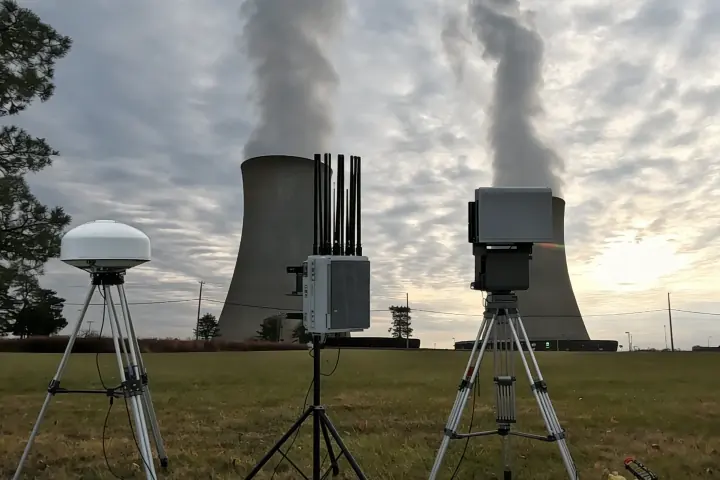
This oil production base C-UAS solution supports low-altitude risk detection, target identification, location, tracking, graded warning, and coordinated site response around production units, tank farms, pipeline stations, and loading areas.
A layered oil-production-base C-UAS solution for tank farms, pipeline stations, and petrochemical facilities. It organizes outer-perimeter early warning, target identification, positioning review, EO tracking confirmation, and core-area response protocols into a practical security process for complex energy sites.Layered sensing gives operators earlier awareness of unknown low-altitude activity around outer perimeters and approach routes.
Warning-zone verification and optical tracking help confirm targets before they affect production, storage, or loading areas.
Platform linkage brings sensing data, visual confirmation, and protected-area status into one coordinated facility-security process.
The solution follows a layered critical-facility protection structure: outer perimeter detection, warning-zone verification, optical tracking confirmation, and core-area linkage. Each module helps site teams move from early awareness to verified alert context and coordinated platform action.
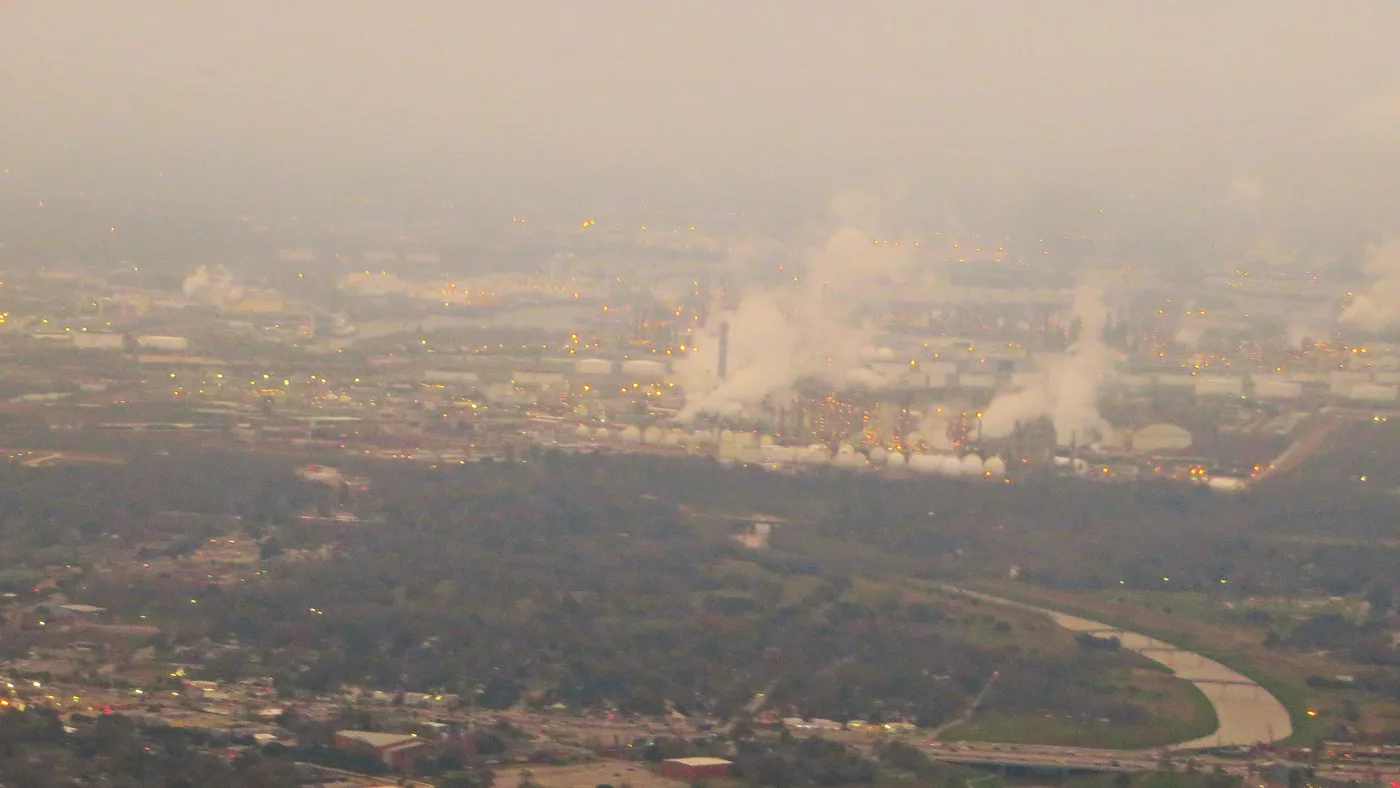
Use layered low-altitude sensing around plant boundaries, pipe corridors, storage areas, and approach routes to discover unknown aerial activity before it reaches production or utility zones.
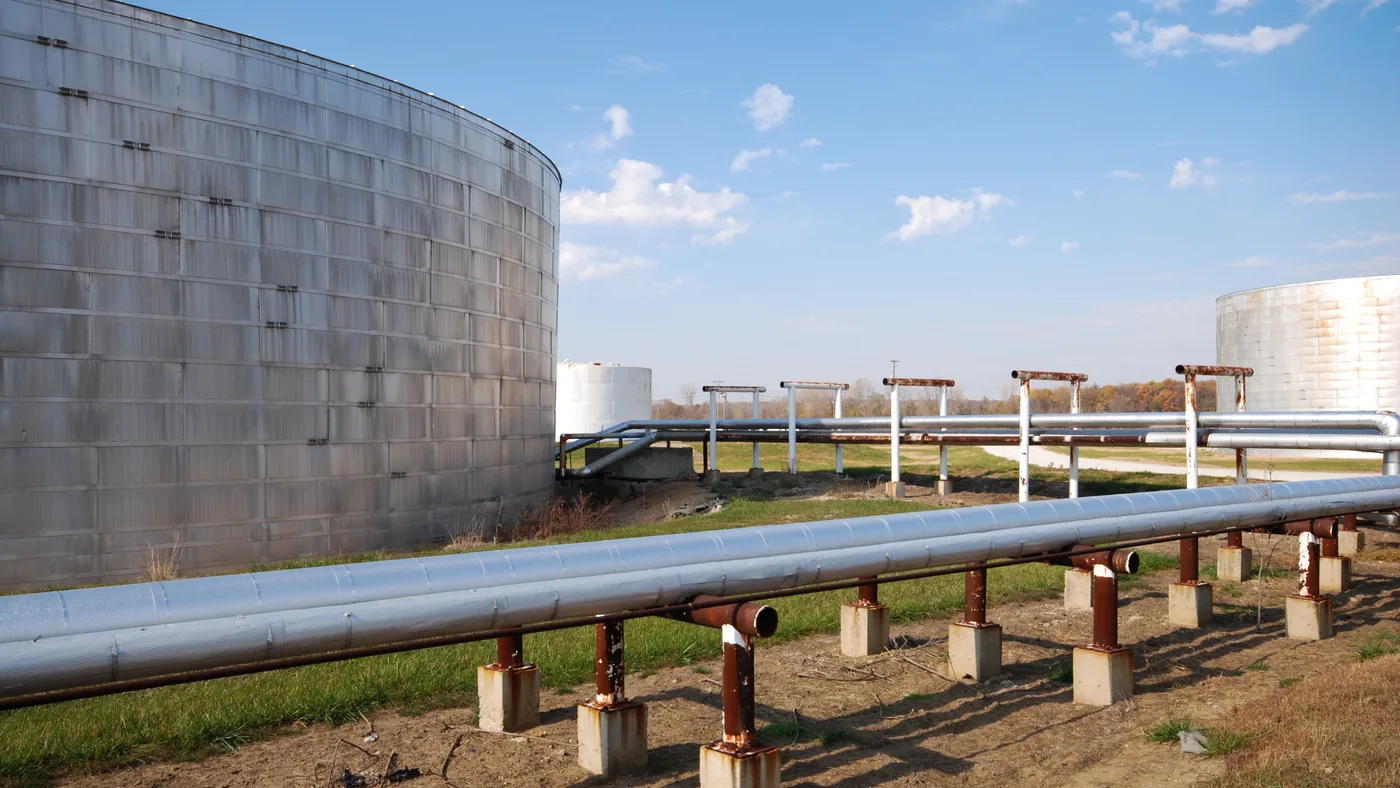
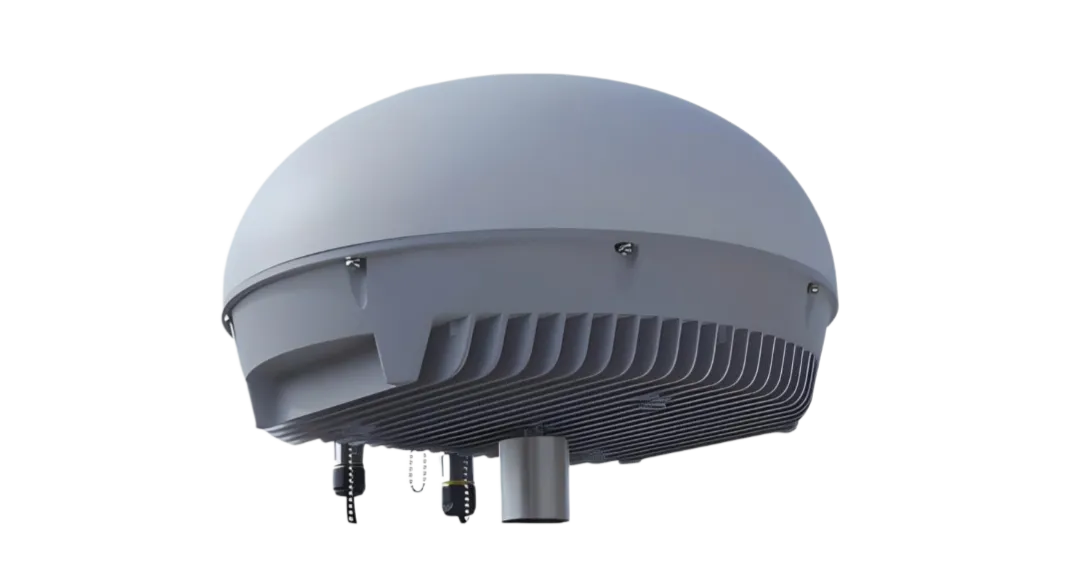
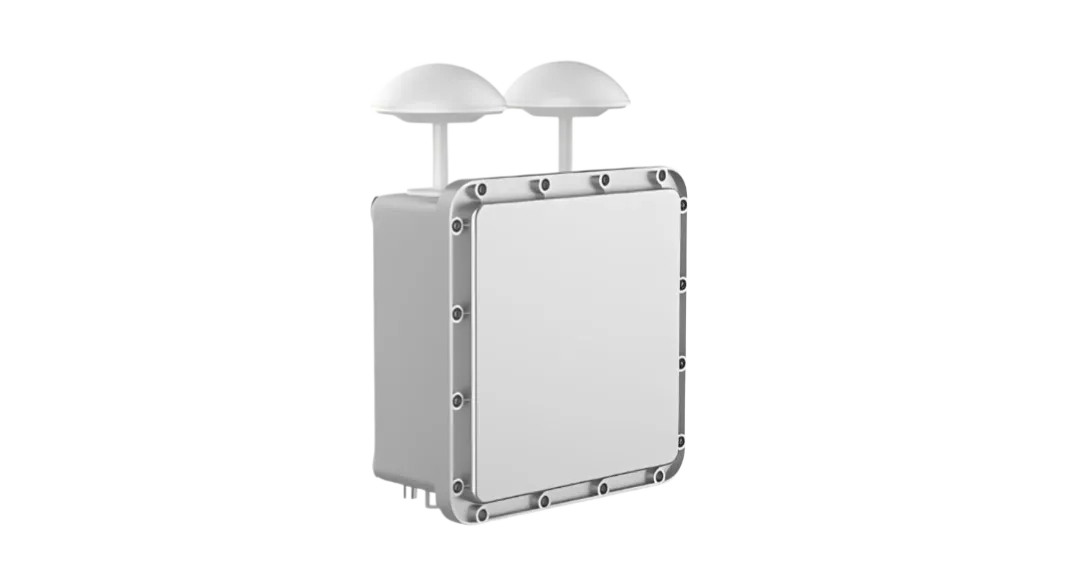
Correlate radar, RF spectrum observation, Remote ID awareness, and whitelist information to verify whether activity near production roads or storage areas requires operator attention.
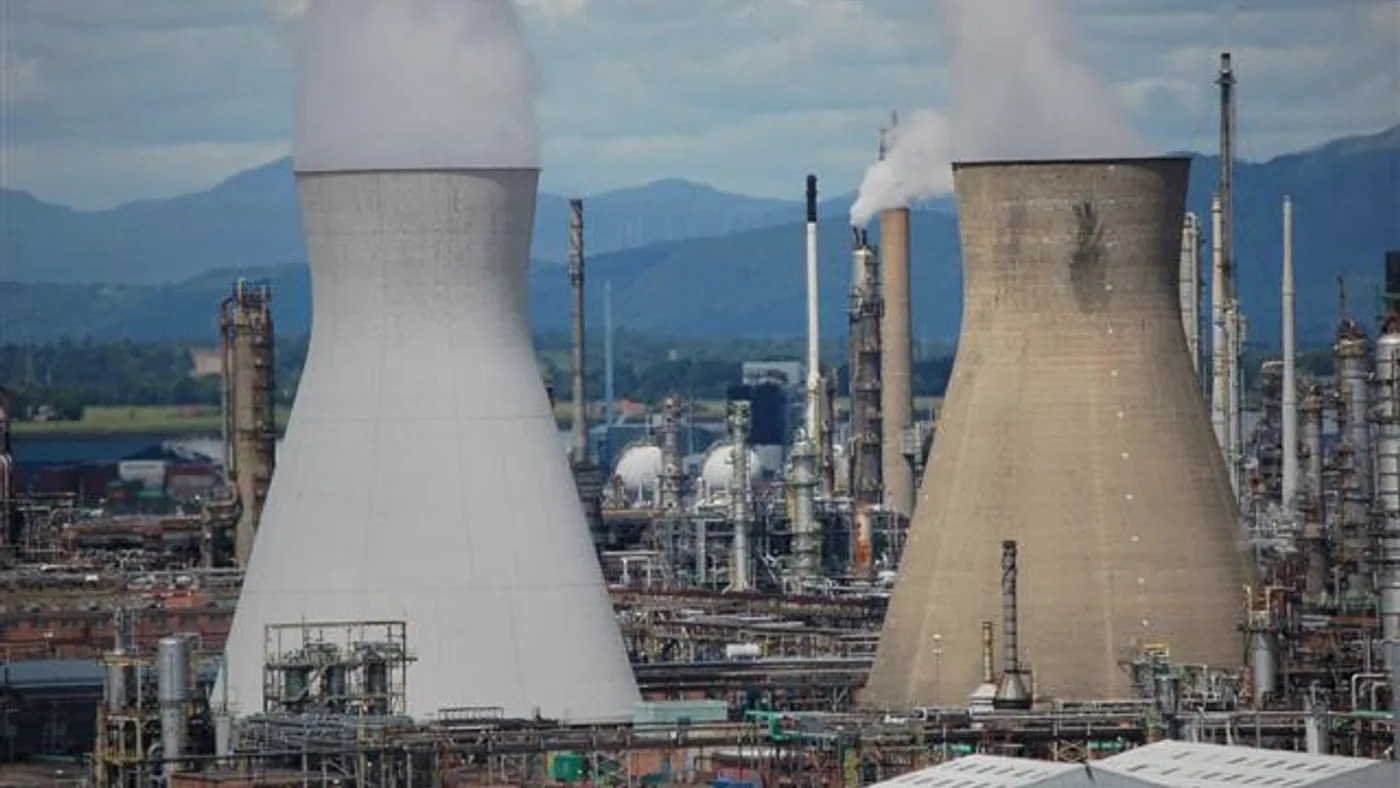
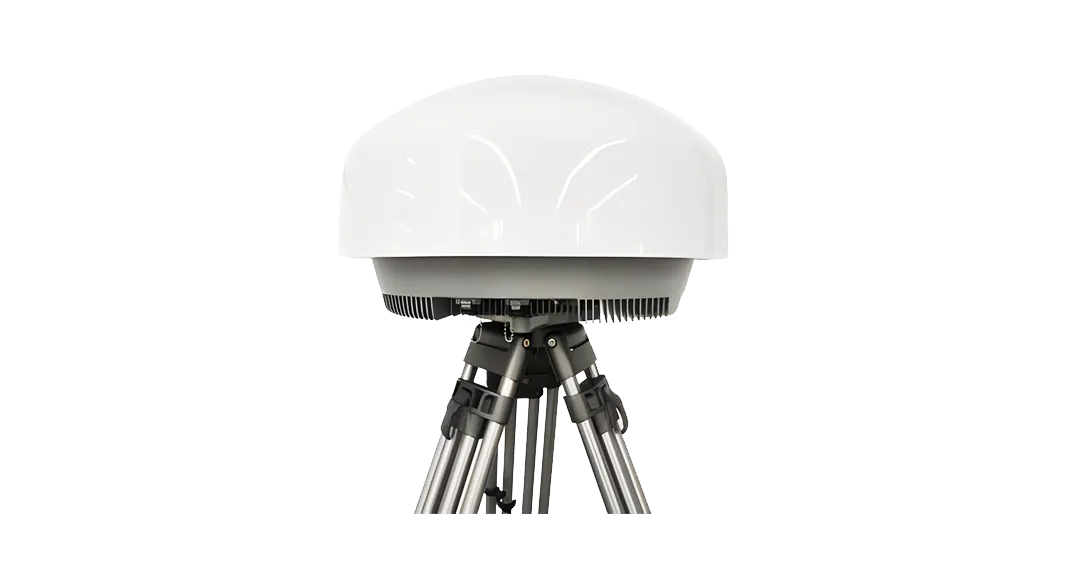
Use EO and thermal views to track and confirm the target in complex industrial backgrounds, reducing false alarms caused by birds, steam, heat sources, or metal structures.
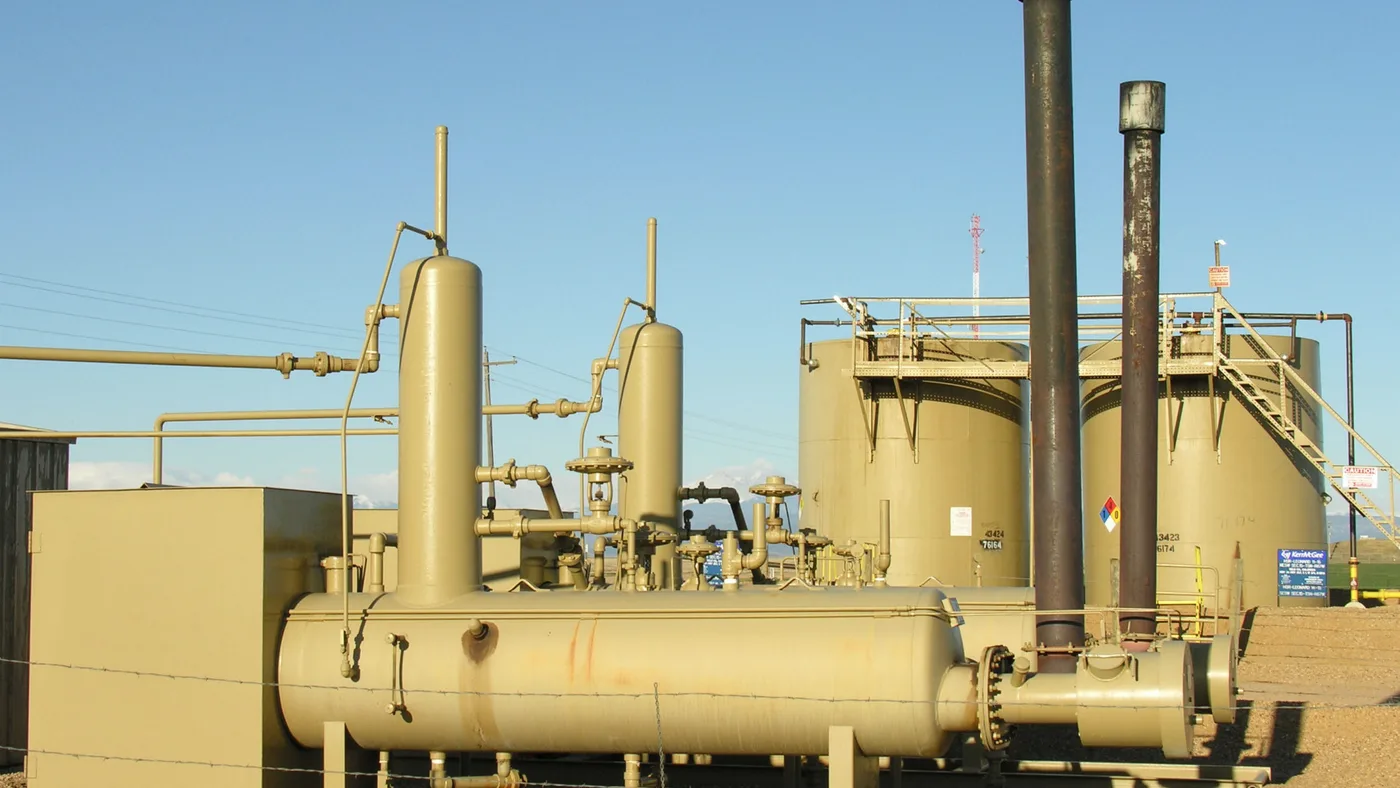
Connect confirmed low-altitude events with the facility security platform and core-area process so duty teams can coordinate alert status, visual context, and site-level actions from one interface.
For oil production base C-UAS, confirm the operating scenario, payload, communications, endurance, maintenance plan, and related case evidence before selecting equipment.
Before selecting oil production base C-UAS, the project team should confirm the operating area, mission duration, payload needs, communication conditions, safety requirements, and the data expected by the command or inspection team.
Selection usually compares oil and gas C-UAS, low altitude warning, target identification, control stations, sensors, data links, power support, and service accessories so field operation stays stable from setup to result review.
Teams should confirm local permissions, operator training, spare parts, maintenance intervals, data handover, acceptance criteria, and the escalation path for field support.
Tell us the equipment, application or site you are reviewing. Our team can provide product information, technical documents, pricing and configuration support.
A layered oil-production-base C-UAS solution for tank farms, pipeline stations, and petrochemical facilities. It organizes outer-perimeter early warning, target identification, positioning review, EO tracking confirmation, and core-area response protocols into a practical security process for complex energy sites.
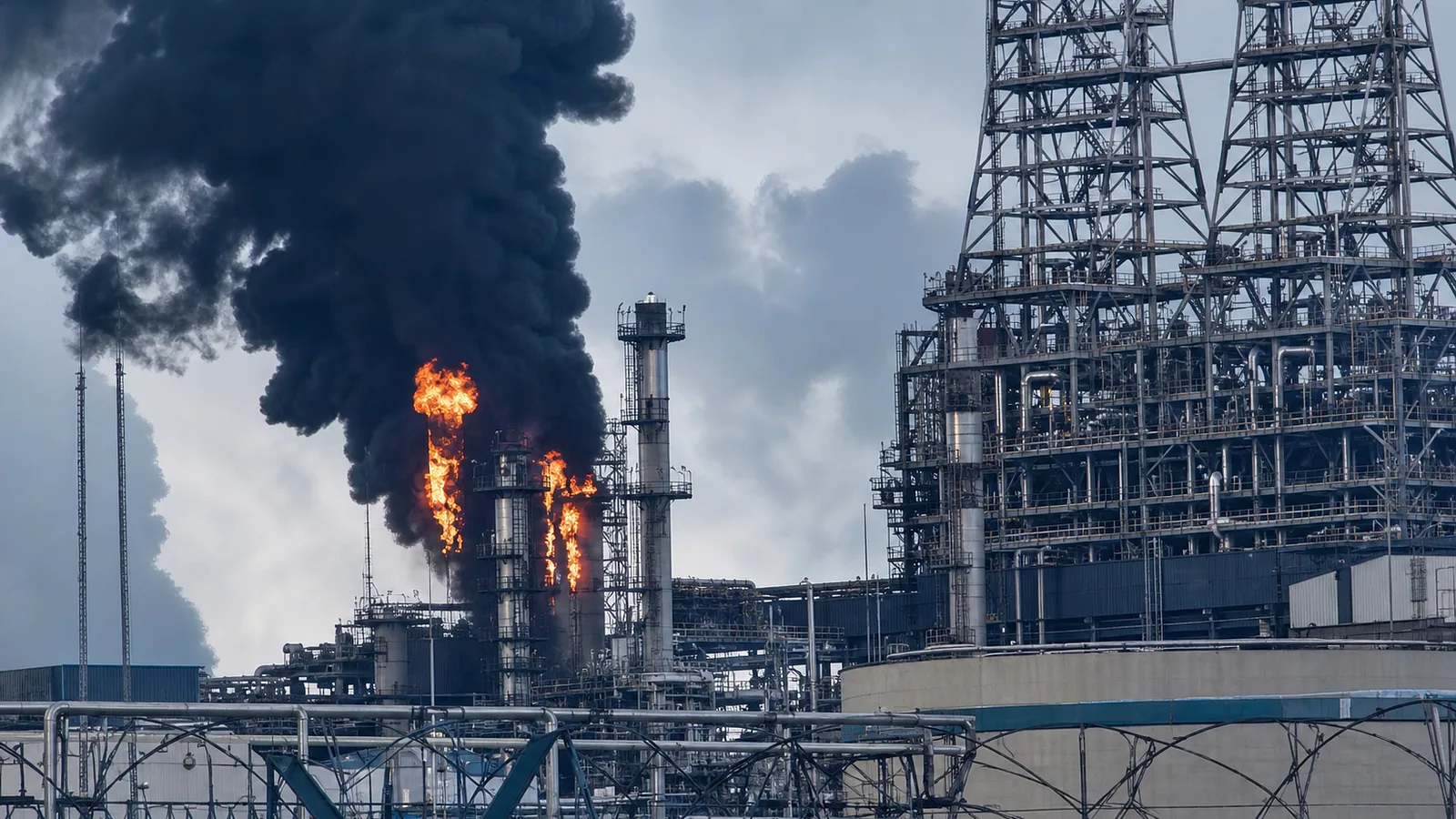
Oil production bases, tank farms, pipeline stations, and petrochemical areas have wide boundaries and high-value production assets, making continuous low-altitude C-UAS difficult with ground security alone.
Unknown low-altitude activity can approach production units, storage areas, loading roads, and utility zones before ordinary perimeter systems provide enough context.
Industrial backgrounds such as steam, heat sources, metal structures, birds, and authorized maintenance work can create false alarms unless sensing and optical confirmation are combined.
Facility teams need a layered process that separates outer perimeter awareness, warning-zone verification, optical confirmation, and core-area linkage so alerts can be understood and coordinated quickly.
Layered sensing gives operators earlier awareness of unknown low-altitude activity around outer perimeters and approach routes.
Warning-zone verification and optical tracking help confirm targets before they affect production, storage, or loading areas.
Platform linkage brings sensing data, visual confirmation, and protected-area status into one coordinated facility-security process.
Use layered low-altitude sensing around plant boundaries, pipe corridors, storage areas, and approach routes to discover unknown aerial activity before it reaches production or utility zones.
Correlate radar, RF spectrum observation, Remote ID awareness, and whitelist information to verify whether activity near production roads or storage areas requires operator attention.
Use EO and thermal views to track and confirm the target in complex industrial backgrounds, reducing false alarms caused by birds, steam, heat sources, or metal structures.
Connect confirmed low-altitude events with the facility security platform and core-area process so duty teams can coordinate alert status, visual context, and site-level actions from one interface.
For oil production base C-UAS, confirm the operating scenario, payload, communications, endurance, maintenance plan, and related case evidence before selecting equipment.
Before selecting oil production base C-UAS, the project team should confirm the operating area, mission duration, payload needs, communication conditions, safety requirements, and the data expected by the command or inspection team.
Selection usually compares oil and gas C-UAS, low altitude warning, target identification, control stations, sensors, data links, power support, and service accessories so field operation stays stable from setup to result review.
Teams should confirm local permissions, operator training, spare parts, maintenance intervals, data handover, acceptance criteria, and the escalation path for field support.
Tell us the equipment, application or site you are reviewing. Our team can provide product information, technical documents, pricing and configuration support.