01
Discover: maintain low-altitude awareness around the dam body, powerhouse, reservoir bank, gates, and inspection routes to surface abnormal target clues early.

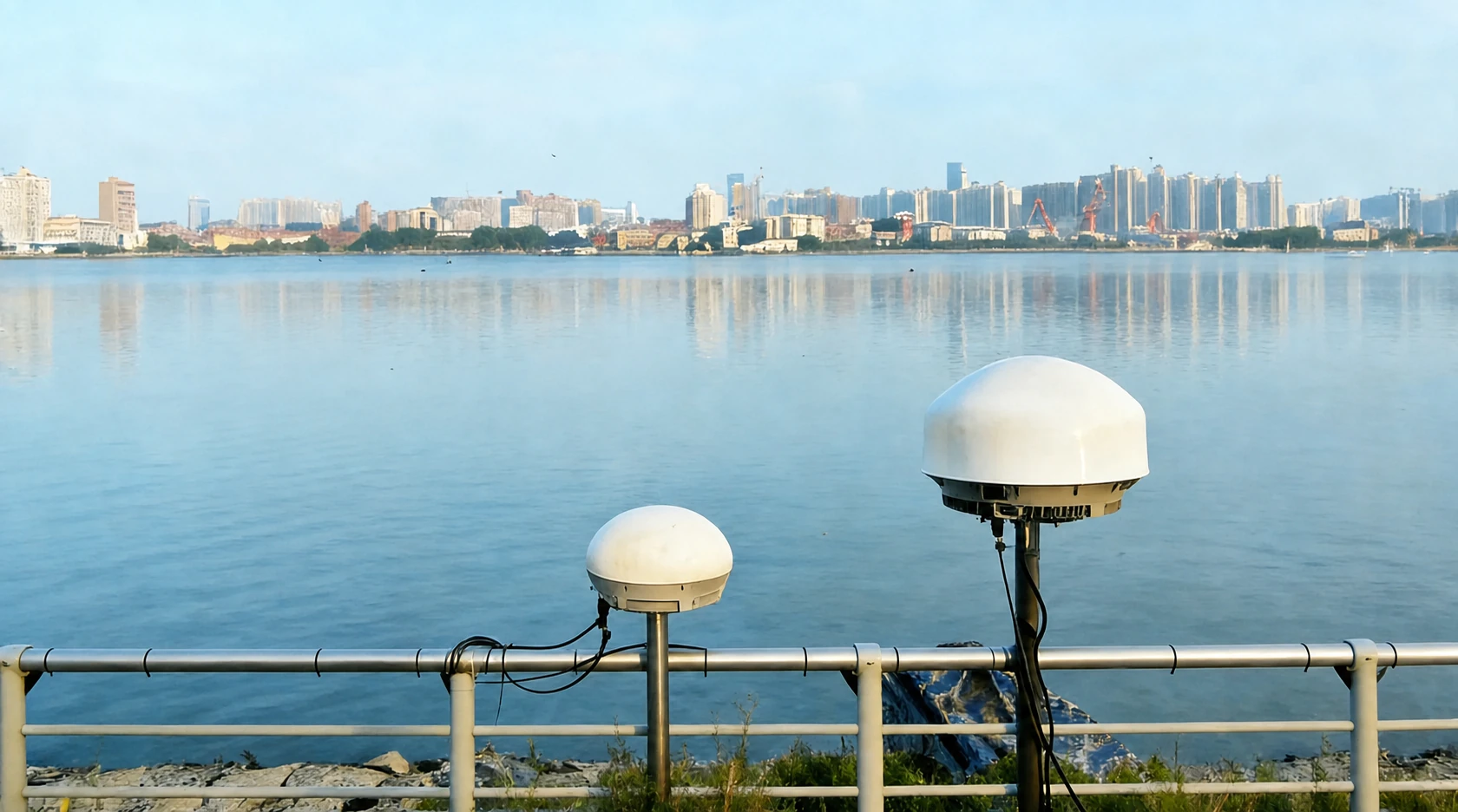
Discover: maintain low-altitude awareness around the dam body, powerhouse, reservoir bank, gates, and inspection routes to surface abnormal target clues early.
Confirm: use visual review, thermal assistance, and operator verification to identify the target context while filtering reflection, birds, and terrain noise.
Track: record movement direction, approach area, dwell position, and related zones so the duty team can follow target changes.
The solution is organized around a concise low-altitude security chain: discover abnormal activity, confirm the target, track movement, and link alerts with operations dispatch and field patrol roles. It focuses on duty-room process, data synchronization, and dispatch coordination.
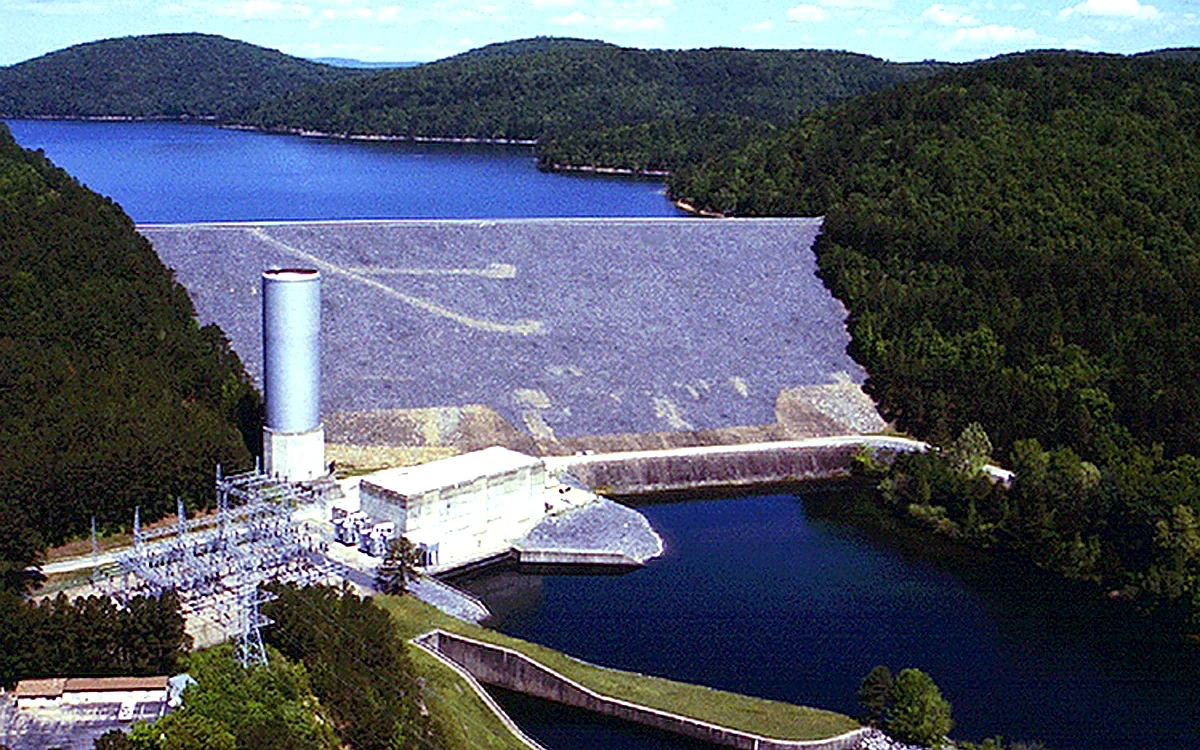
Creates an early event-awareness entry around the dam body, reservoir bank, powerhouse perimeter, and inspection roads.
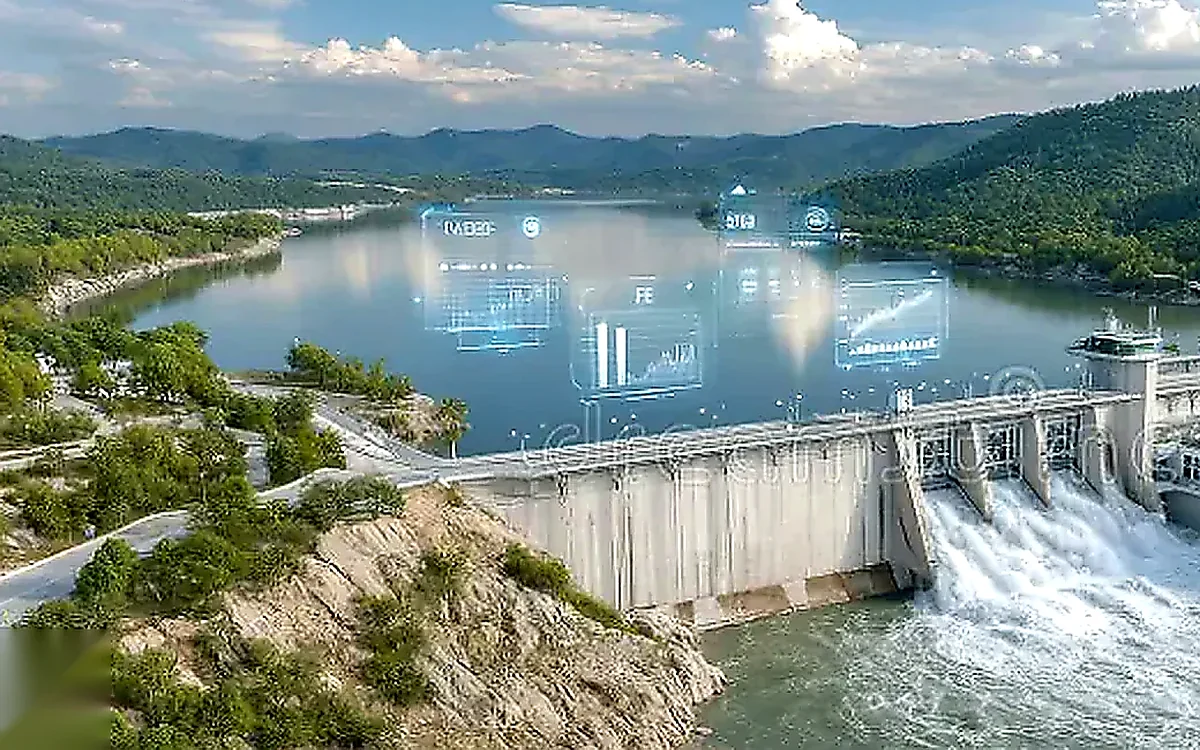
Combines clear visual review, thermal assistance, and operator verification to confirm target context and reduce environmental misjudgment.
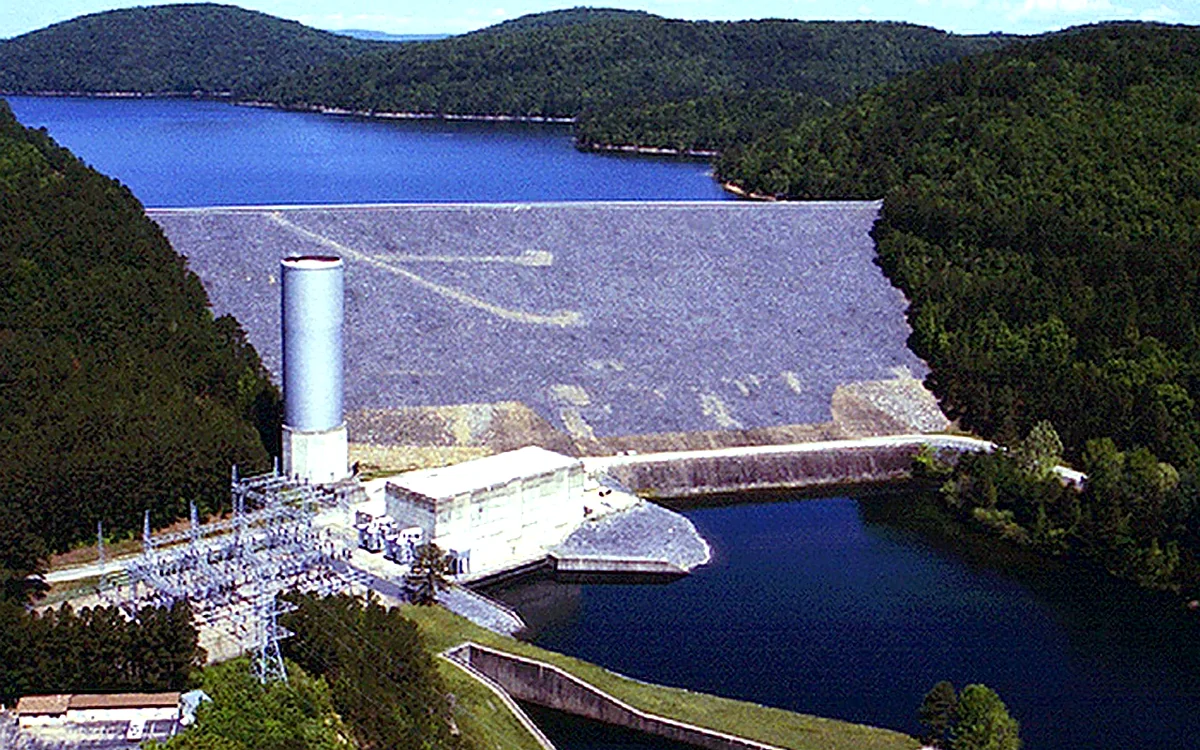
Maintains the movement path, approach direction, dwell position, and associated risk area as a visible event timeline.
Routes alerts by risk area and synchronizes target imagery, tracks, and alert status so dispatch, security duty teams, and field patrol roles share the same working view.
For Hydroelectric Dam Protection, confirm the operating scenario, payload, communications, endurance, maintenance plan, and related case evidence before selecting equipment.
Before selecting Hydroelectric Dam Protection, the project team should confirm the operating area, mission duration, payload needs, communication conditions, safety requirements, and the data expected by the command or inspection team.
Selection usually compares Hydroelectric Dam Protection, control stations, sensors, data links, power support, and service accessories so field operation stays stable from setup to result review.
Teams should confirm local permissions, operator training, spare parts, maintenance intervals, data handover, acceptance criteria, and the escalation path for field support.
Tell us the equipment, application or site you are reviewing. Our team can provide product information, technical documents, pricing and configuration support.
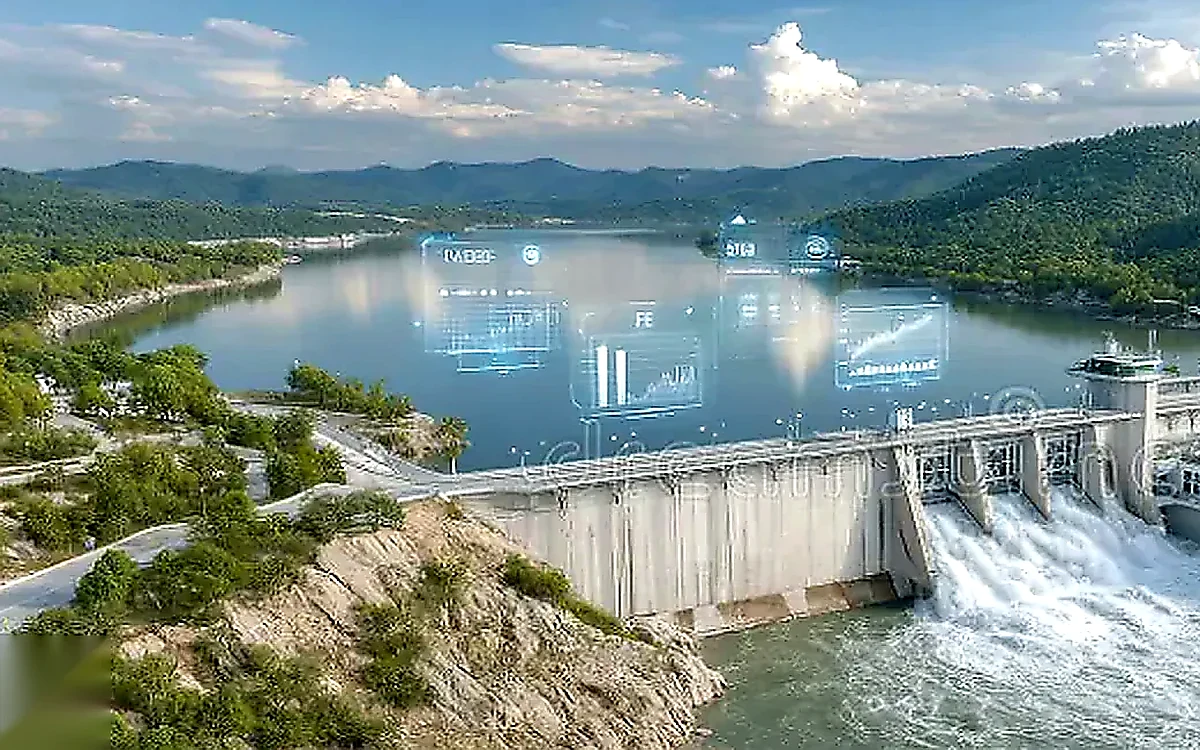
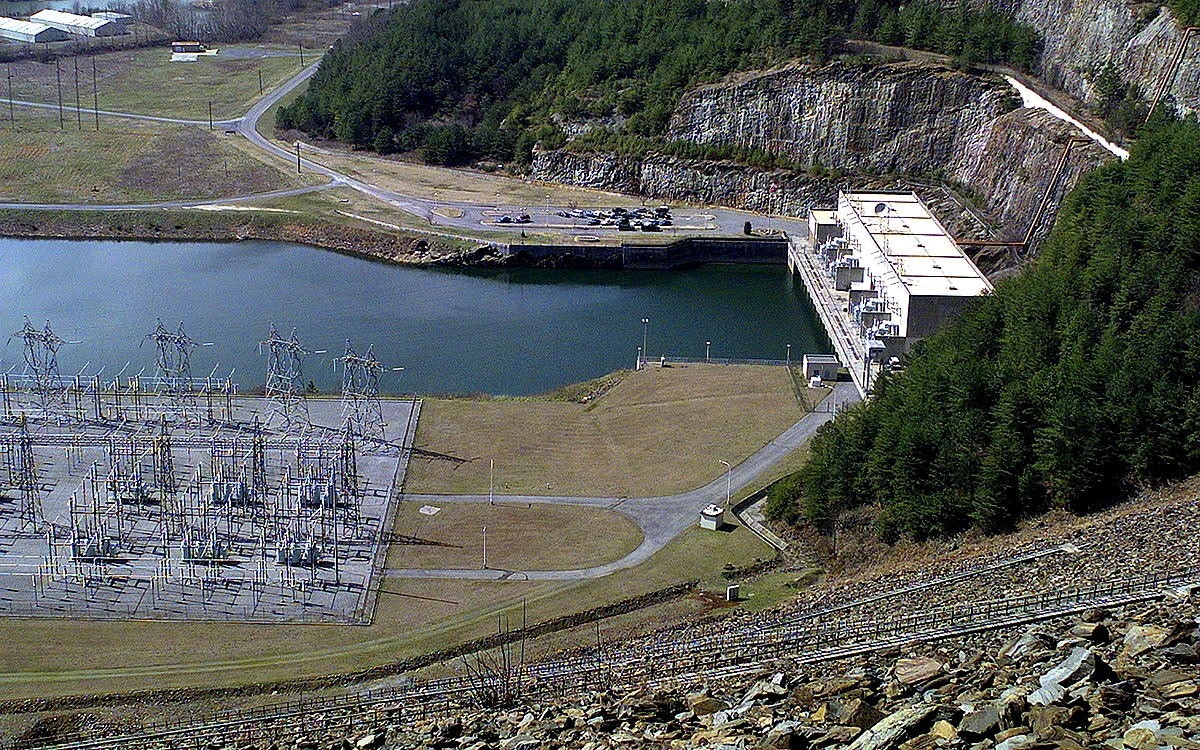
A C-UAS operation for hydroelectric dams, reservoirs, powerhouses, spillways, and inspection routes. Based on critical infrastructure protection requirements, it focuses on low-altitude awareness, target identification, location, tracking, warning linkage, and dispatch coordination for complex terrain, water reflection, and fog-prone dam environments.
Dam bodies, powerhouses, spillways, intake areas, and grid-interface zones operate continuously, so abnormal low-altitude activity nearby can disrupt duty-room judgment and operational order.
Reservoir valleys, water reflection, fog, rain, and bird activity make single-camera observation or manual patrols prone to missed events, false alarms, and delayed confirmation.
Long shorelines, access roads, gates, and inspection routes require operators to see when a target appears, where it moves, which risk area it approaches, and how the alert status changes.
Dam low-altitude security needs awareness, confirmation, tracking, alert circulation, and dispatch coordination in one process so abnormal target information does not remain fragmented between duty roles.
Discover: maintain low-altitude awareness around the dam body, powerhouse, reservoir bank, gates, and inspection routes to surface abnormal target clues early.
Confirm: use visual review, thermal assistance, and operator verification to identify the target context while filtering reflection, birds, and terrain noise.
Track: record movement direction, approach area, dwell position, and related zones so the duty team can follow target changes.
Creates an early event-awareness entry around the dam body, reservoir bank, powerhouse perimeter, and inspection roads.
Combines clear visual review, thermal assistance, and operator verification to confirm target context and reduce environmental misjudgment.
Maintains the movement path, approach direction, dwell position, and associated risk area as a visible event timeline.
Routes alerts by risk area and synchronizes target imagery, tracks, and alert status so dispatch, security duty teams, and field patrol roles share the same working view.
For Hydroelectric Dam Protection, confirm the operating scenario, payload, communications, endurance, maintenance plan, and related case evidence before selecting equipment.
Before selecting Hydroelectric Dam Protection, the project team should confirm the operating area, mission duration, payload needs, communication conditions, safety requirements, and the data expected by the command or inspection team.
Selection usually compares Hydroelectric Dam Protection, control stations, sensors, data links, power support, and service accessories so field operation stays stable from setup to result review.
Teams should confirm local permissions, operator training, spare parts, maintenance intervals, data handover, acceptance criteria, and the escalation path for field support.
Tell us the equipment, application or site you are reviewing. Our team can provide product information, technical documents, pricing and configuration support.