
N-TET

Remote ID and RF Detection: Why Low-Altitude Monitoring Needs Both
Published Reviewed by N-TET C-UAS Engineering Team
Remote ID and RF Detection: Why Low-Altitude Monitoring Needs Both

Remote ID and RF detection are complementary monitoring layers, not interchangeable product labels. Remote ID can provide identity and flight information when a compatible aircraft is broadcasting it and the receiver is within usable range. RF detection looks for radio activity associated with command, telemetry, or video links and may provide an alert even when a Remote ID record is unavailable. Neither source proves the full operating picture by itself. A site may also need radar for track continuity, EO/IR for visual confirmation, a permitted-flight list, and an operator who can connect the records. The practical design question is therefore not which sensor is universally better. It is which evidence is available for the aircraft, environment, and operating rules at the site, and how the platform presents uncertainty when one source is missing.

What can Remote ID contribute?

Remote ID is useful when the aircraft broadcasts compatible information. Depending on the applicable standard and implementation, the monitoring record may include an aircraft identifier, position, altitude, speed, takeoff information, or operator-related location data. This makes it valuable for distinguishing known activity from activity that still needs review.

The limit is equally important: a Remote ID receiver only works with information that is being broadcast, can be received, and can be decoded. It should not be described as a universal drone detector. Receiver placement, local obstructions, radio conditions, implementation differences, and local rules all affect what an operator can see.

N-TET's UAV Remote ID Monitoring System is positioned as one identity layer within a broader low-altitude monitoring architecture.

What can RF detection contribute?

RF sensing observes radio activity rather than relying only on an identity broadcast. It can support early awareness, signal review, and in some configurations directional information. That can be useful for aircraft that use recognizable command or video links. It can also help an operator compare the signal event with a radar track or an optical image.

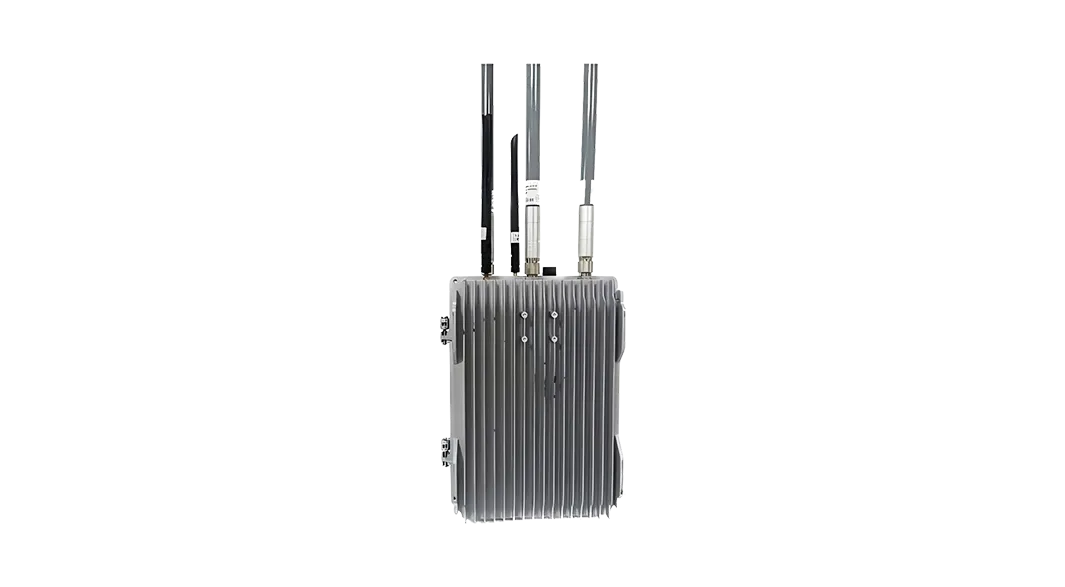
RF detection has its own limits. A quiet target, an unfamiliar waveform, shielding, nearby transmitters, industrial RF noise, and the physical layout of the site can all reduce confidence. Published laboratory or open-field distance should not be turned into a site guarantee without a survey. The Stationary RF Detection System page should therefore be read together with site conditions and integration requirements.

How should the two data sources work together?

  • Use Remote ID to check whether compatible identity and flight information is available.
  • Use RF sensing to review relevant radio activity and add an independent alert source.
  • Correlate timestamps and positions instead of treating each dashboard as a separate truth.
  • Use radar when track continuity or range-and-bearing data is needed beyond radio evidence.
  • Use EO/IR and operator review to confirm what the target appears to be.
  • Store the final review status, not just the original sensor alert.

For buyers, the most useful question is simple: what happens when Remote ID and RF evidence disagree, or when one source is absent? A credible platform should show the evidence, its source, and the operator's review status without turning an incomplete record into a confident label.

Get Expert Drone Defense Advice

Tell us the equipment, application or site you are reviewing. Our team can provide product information, technical documents, pricing and configuration support.

Step 1 of 2

Tell us about your project

*Deployment type

A short note is enough.

MEDIA
Home/Media/Remote ID and RF Detection: Why Low-Altitude Monitoring Needs Both
Remote ID and RF Detection: Why Low-Altitude Monitoring Needs Both
Published · Reviewed by N-TET C-UAS Engineering Team
Remote ID and RF Detection: Why Low-Altitude Monitoring Needs Both

Remote ID and RF detection are complementary monitoring layers, not interchangeable product labels. Remote ID can provide identity and flight information when a compatible aircraft is broadcasting it and the receiver is within usable range. RF detection looks for radio activity associated with command, telemetry, or video links and may provide an alert even when a Remote ID record is unavailable. Neither source proves the full operating picture by itself. A site may also need radar for track continuity, EO/IR for visual confirmation, a permitted-flight list, and an operator who can connect the records. The practical design question is therefore not which sensor is universally better. It is which evidence is available for the aircraft, environment, and operating rules at the site, and how the platform presents uncertainty when one source is missing.

What can Remote ID contribute?

Remote ID is useful when the aircraft broadcasts compatible information. Depending on the applicable standard and implementation, the monitoring record may include an aircraft identifier, position, altitude, speed, takeoff information, or operator-related location data. This makes it valuable for distinguishing known activity from activity that still needs review.

The limit is equally important: a Remote ID receiver only works with information that is being broadcast, can be received, and can be decoded. It should not be described as a universal drone detector. Receiver placement, local obstructions, radio conditions, implementation differences, and local rules all affect what an operator can see.

N-TET's UAV Remote ID Monitoring System is positioned as one identity layer within a broader low-altitude monitoring architecture.

What can RF detection contribute?

RF sensing observes radio activity rather than relying only on an identity broadcast. It can support early awareness, signal review, and in some configurations directional information. That can be useful for aircraft that use recognizable command or video links. It can also help an operator compare the signal event with a radar track or an optical image.

RF detection has its own limits. A quiet target, an unfamiliar waveform, shielding, nearby transmitters, industrial RF noise, and the physical layout of the site can all reduce confidence. Published laboratory or open-field distance should not be turned into a site guarantee without a survey. The Stationary RF Detection System page should therefore be read together with site conditions and integration requirements.

How should the two data sources work together?

  • Use Remote ID to check whether compatible identity and flight information is available.
  • Use RF sensing to review relevant radio activity and add an independent alert source.
  • Correlate timestamps and positions instead of treating each dashboard as a separate truth.
  • Use radar when track continuity or range-and-bearing data is needed beyond radio evidence.
  • Use EO/IR and operator review to confirm what the target appears to be.
  • Store the final review status, not just the original sensor alert.

For buyers, the most useful question is simple: what happens when Remote ID and RF evidence disagree, or when one source is absent? A credible platform should show the evidence, its source, and the operator's review status without turning an incomplete record into a confident label.

Get Expert Drone Defense Advice

Tell us the equipment, application or site you are reviewing. Our team can provide product information, technical documents, pricing and configuration support.

Step 1 of 2

Tell us about your project

*Deployment type

A short note is enough.

WhatsApp