
Low-Altitude Airspace Monitoring Needs a Security Operating Loop
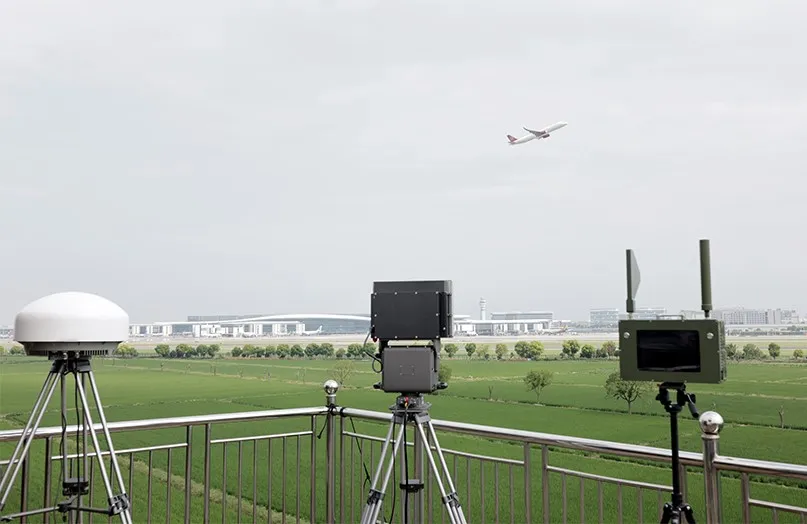
Low-altitude economy planning is often discussed through aircraft, routes, vertiports, and policy targets. For site operators, the immediate security question is more practical: can the team see low-altitude activity, identify what it is, and manage the event through an approved workflow?
Growth creates visibility pressure
As UAV operations become more common around logistics corridors, inspection routes, energy sites, ports, public venues, and city test areas, low-altitude airspace becomes harder to manage with manual observation alone. Buildings, terrain, weather, weak small-target signatures, and non-cooperative drone activity can all create blind zones.
A professional monitoring layer should combine the available evidence: RF sensing, radar tracking, EO/IR visual confirmation, Remote ID data where available, operator notes, and event records. The goal is not simply to collect signals. The goal is to help the team understand what is happening and what decision is allowed.
The operating loop matters
N-TET describes the loop in five steps: detect, identify, confirm, respond, and review. Detection starts the event. Identification and confirmation reduce uncertainty. Response follows the customer's approved procedure. Review turns the event into a record that can support training, tuning, and management reporting.
This loop is important because low-altitude projects are not static. New routes, construction, seasonal weather, public events, and changing RF conditions can all affect monitoring quality. A system that cannot be tuned and reviewed will become less useful over time.
What buyers should check
- Does the project define who owns low-altitude alerts after they are generated?
- Can the platform keep sensor evidence, operator review, and response notes in one event record?
- Are permitted flights and normal site activity separated from unknown activity?
- Can the layout be adjusted after commissioning when blind zones or false cues are found?
- Is the system designed for daily operation, not only demonstration?
For N-TET, low-altitude airspace security is an operating capability. Devices matter, but the durable value comes from the loop that connects sensing to reviewable action.