
N-TET

Selecting EO/IR Sensor Systems for C-UAS Visual Confirmation
Published Reviewed by N-TET C-UAS Engineering Team
Selecting EO/IR Sensor Systems for C-UAS Visual Confirmation

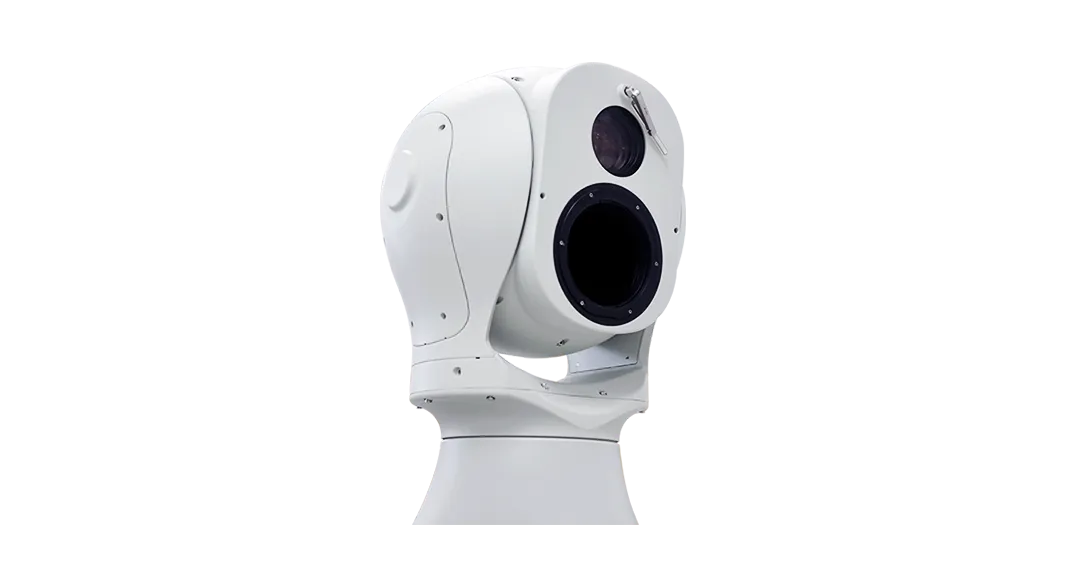
Selecting an EO/IR sensor system for C-UAS is often reduced to camera resolution or optical zoom. That is too narrow. Start with the target size and required confirmation distance, then evaluate the visible-light and thermal channels, field of view, stabilization, mounting position, line of sight, weather, network bandwidth, and event-recording workflow. The sensor system may be installed on a fixed mast, rooftop, vehicle, or other ground-based platform. Its operational role is to help an operator review whether a radar, RF, or Remote ID event appears to involve a drone, permitted activity, another low-altitude object, or an environmental false cue. A useful specification therefore states the conditions under which visual confirmation is expected and explains how images, video, track data, timestamps, and operator notes will be connected inside the wider C-UAS workflow.

Visible-light and thermal channels serve different roles

Visible-light imaging is usually the baseline for daytime classification, scene context, markings, and operator review. Thermal imaging can improve awareness at night or when visible contrast is limited, but it does not remove the need for line of sight, stable tracking, sufficient thermal contrast, and trained interpretation.

The two channels should be assessed against the site's actual operating conditions. A long focal length may support distant inspection but narrow the field of view and make target acquisition more demanding. A wider view can help an operator find and follow a target, but may not provide enough detail for confirmation at the required distance.

Field conditions shape the sensor-system choice

Target size, mounting height, vibration, glare, haze, rain, background clutter, heat sources, obstructions, and network bandwidth all affect confirmation quality. A sensor unit that performs well on an open test field may be harder to use near cranes, roofs, chimneys, reflective water, or heavy vehicle movement.

Stabilization must be considered together with the gimbal, mount, tower or vehicle structure, and local wind and vibration. Buyers should also confirm how the system reacquires a target after obstruction and whether an operator can take manual control when automatic cueing is uncertain.

Integration matters as much as image quality

For low-altitude monitoring, the key question is not whether the camera looks impressive in isolation. It is whether the EO/IR record can be linked to the original RF alert, radar track, Remote ID information, site map, permitted-flight data, and operator notes. N-TET therefore treats EO/IR as one layer in a multi-sensor monitoring design. It should accept cueing from RF or radar where the integration supports it, allow manual operator review, and preserve evidence that can be reviewed after the event.

Procurement questions to ask

  • At what distance must the operator visually confirm a small drone-sized target, and under which stated conditions?
  • Does the site need visible-light review, thermal review, or both?
  • Do the fields of view support both target acquisition and detailed confirmation?
  • Can the gimbal, mount, network, and supporting structure provide stable review under local wind and vibration?
  • Can the EO/IR system receive target coordinates or track cues from radar or RF detection?
  • Will the platform store time, location, sensor source, images, video, track history, and operator notes together?
  • How will permitted flights, false cues, and unresolved events be reviewed during commissioning?

Selecting an EO/IR sensor system is not just an imaging decision. It is a visual-confirmation and evidence-management decision inside the complete C-UAS workflow.

Get Expert Drone Defense Advice

Tell us the equipment, application or site you are reviewing. Our team can provide product information, technical documents, pricing and configuration support.

Step 1 of 2

Tell us about your project

*Deployment type

A short note is enough.

MEDIA
Home/Media/Selecting EO/IR Sensor Systems for C-UAS Visual Confirmation
Selecting EO/IR Sensor Systems for C-UAS Visual Confirmation
Published · Reviewed by N-TET C-UAS Engineering Team
Selecting EO/IR Sensor Systems for C-UAS Visual Confirmation

Selecting an EO/IR sensor system for C-UAS is often reduced to camera resolution or optical zoom. That is too narrow. Start with the target size and required confirmation distance, then evaluate the visible-light and thermal channels, field of view, stabilization, mounting position, line of sight, weather, network bandwidth, and event-recording workflow. The sensor system may be installed on a fixed mast, rooftop, vehicle, or other ground-based platform. Its operational role is to help an operator review whether a radar, RF, or Remote ID event appears to involve a drone, permitted activity, another low-altitude object, or an environmental false cue. A useful specification therefore states the conditions under which visual confirmation is expected and explains how images, video, track data, timestamps, and operator notes will be connected inside the wider C-UAS workflow.

Visible-light and thermal channels serve different roles

Visible-light imaging is usually the baseline for daytime classification, scene context, markings, and operator review. Thermal imaging can improve awareness at night or when visible contrast is limited, but it does not remove the need for line of sight, stable tracking, sufficient thermal contrast, and trained interpretation.

The two channels should be assessed against the site's actual operating conditions. A long focal length may support distant inspection but narrow the field of view and make target acquisition more demanding. A wider view can help an operator find and follow a target, but may not provide enough detail for confirmation at the required distance.

Field conditions shape the sensor-system choice

Target size, mounting height, vibration, glare, haze, rain, background clutter, heat sources, obstructions, and network bandwidth all affect confirmation quality. A sensor unit that performs well on an open test field may be harder to use near cranes, roofs, chimneys, reflective water, or heavy vehicle movement.

Stabilization must be considered together with the gimbal, mount, tower or vehicle structure, and local wind and vibration. Buyers should also confirm how the system reacquires a target after obstruction and whether an operator can take manual control when automatic cueing is uncertain.

Integration matters as much as image quality

For low-altitude monitoring, the key question is not whether the camera looks impressive in isolation. It is whether the EO/IR record can be linked to the original RF alert, radar track, Remote ID information, site map, permitted-flight data, and operator notes. N-TET therefore treats EO/IR as one layer in a multi-sensor monitoring design. It should accept cueing from RF or radar where the integration supports it, allow manual operator review, and preserve evidence that can be reviewed after the event.

Procurement questions to ask

  • At what distance must the operator visually confirm a small drone-sized target, and under which stated conditions?
  • Does the site need visible-light review, thermal review, or both?
  • Do the fields of view support both target acquisition and detailed confirmation?
  • Can the gimbal, mount, network, and supporting structure provide stable review under local wind and vibration?
  • Can the EO/IR system receive target coordinates or track cues from radar or RF detection?
  • Will the platform store time, location, sensor source, images, video, track history, and operator notes together?
  • How will permitted flights, false cues, and unresolved events be reviewed during commissioning?

Selecting an EO/IR sensor system is not just an imaging decision. It is a visual-confirmation and evidence-management decision inside the complete C-UAS workflow.

Get Expert Drone Defense Advice

Tell us the equipment, application or site you are reviewing. Our team can provide product information, technical documents, pricing and configuration support.

Step 1 of 2

Tell us about your project

*Deployment type

A short note is enough.

WhatsApp