Внутри N-TET: как мы анализируем фотографии объекта перед проектированием C-UAS
Опубликовано
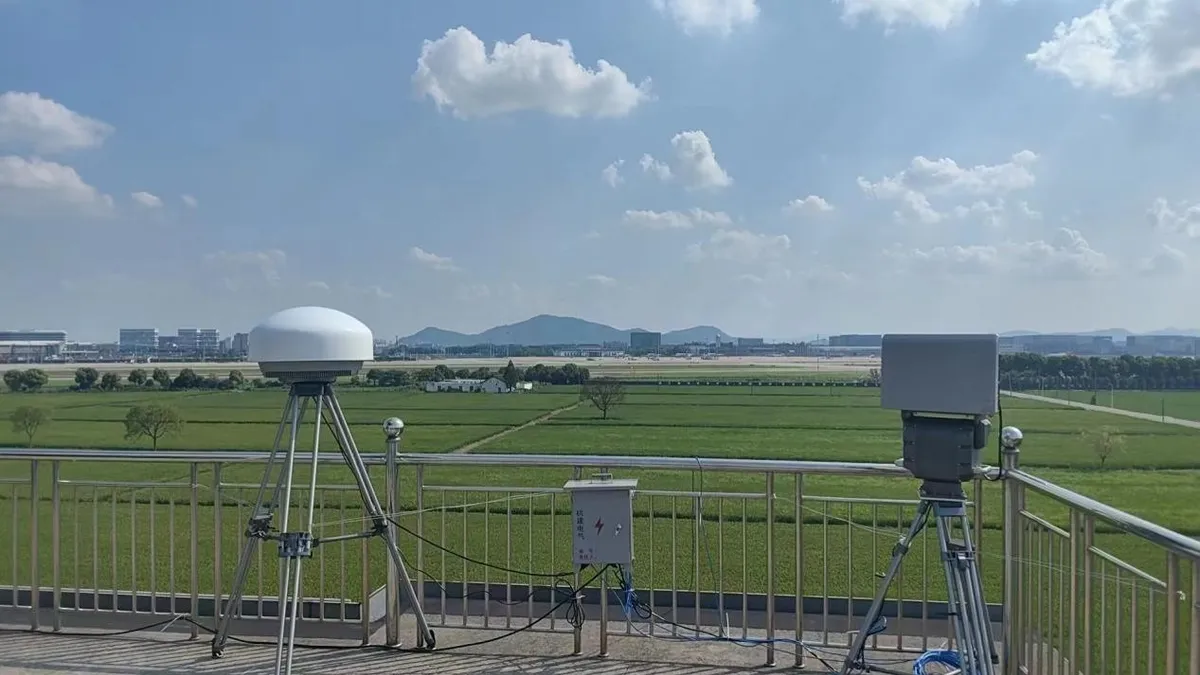
Фотографии помогают оценить слепые зоны, места монтажа, покрытие RF и радара, линию видимости EO/IR, кабельные трассы и доступ оператора.

Фотографии помогают оценить слепые зоны, места монтажа, покрытие RF и радара, линию видимости EO/IR, кабельные трассы и доступ оператора.
Укажите тип объекта, формат развертывания и интересующее оборудование. Команда N-TET подготовит информацию о конфигурации, техническую документацию, ориентировочную стоимость и сроки поставки.
For infrastructure, airport, energy, port, and public-event projects, the first useful engineering material is often not a specification sheet. It is a set of ordinary site photos: rooflines, entrances, fence sections, open areas, control rooms, nearby roads, power points, and places where an operator can safely install or maintain equipment.
N-TET reviews photos for line of sight, mounting height, cable path, blind corners, glare, terrain shielding, traffic flow, and access for maintenance. A high sensor position may look good on a drawing but fail if there is no safe access, stable power, or realistic route for data backhaul.
Photos also help separate different sensing tasks. RF sensing may need a cleaner electromagnetic environment. Radar needs a view that reduces clutter from buildings, machinery, birds, rain, or moving vehicles. EO/IR confirmation depends on optical line of sight, lighting, weather, and whether an operator can review the image quickly.
A practical layout should explain where low-altitude activity may approach, where blind zones remain, and how alerts move from sensor to operator review. When site photos are available, the proposal can show why a fixed sensor, mobile unit, elevated camera, or Remote ID receiver is placed in a particular position.
This review does not replace a field survey. It improves the first discussion, helps buyers understand assumptions, and reduces the risk of recommending equipment before the operating environment is clear.
With these materials, N-TET can give a more realistic C-UAS layout discussion: what can be monitored, what needs confirmation, what remains uncertain, and what should be checked during commissioning.
Укажите тип объекта, формат развертывания и интересующее оборудование. Команда N-TET подготовит информацию о конфигурации, техническую документацию, ориентировочную стоимость и сроки поставки.