Радар, RF и EO/IR: практические рекомендации по снижению ложных тревог
Опубликовано
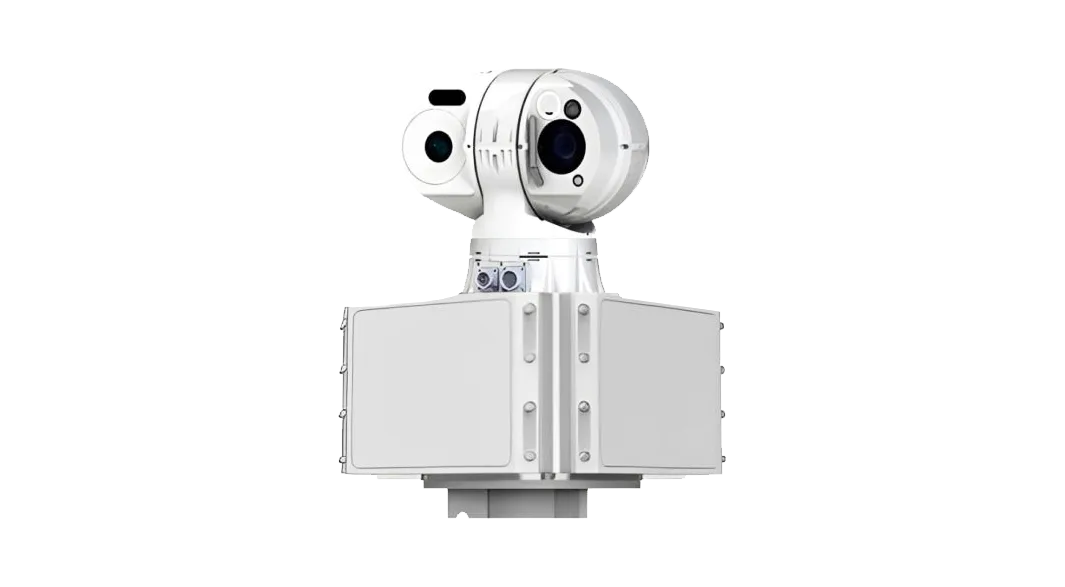
Мультисенсорный мониторинг эффективнее, когда радар, RF, EO/IR, Remote ID и правила операторов настроены под объект, а не работают как изолированные устройства.

Мультисенсорный мониторинг эффективнее, когда радар, RF, EO/IR, Remote ID и правила операторов настроены под объект, а не работают как изолированные устройства.
Укажите тип объекта, формат развертывания и интересующее оборудование. Команда N-TET подготовит информацию о конфигурации, техническую документацию, ориентировочную стоимость и сроки поставки.
False alerts are one of the fastest ways to weaken trust in a low-altitude monitoring system. Radar, RF sensing, EO/IR confirmation, and Remote ID review each add useful evidence, but none of them removes the need for site-specific tuning and clear operator rules.
RF sensing can detect many control or video links, support spectrum analysis, and in some layouts provide direction information. It may still miss silent, unfamiliar, or shielded signals. Radar can provide movement, range, and track continuity, but local terrain, buildings, weather, birds, and machinery can affect interpretation. EO/IR systems help confirm what the target is, but they need line of sight, suitable lighting or thermal contrast, and operator attention.
The practical answer is not to add sensors without limit. It is to define which sensor creates the first alert, which source confirms the event, how the platform correlates records, and when the operator should escalate.
During commissioning, N-TET recommends building a baseline for the actual site: normal RF activity, vehicle movement, bird activity, glare, weather patterns, permitted drone operations, and local maintenance routines. These records help engineers adjust alert thresholds and help operators understand why an alert was created.
Good C-UAS reporting should keep detection records separate from confirmation records. This makes it easier to see whether a false alert came from the sensor environment, the fusion rule, or the review workflow.
A professional C-UAS system is judged not only by how many alerts it creates, but by how reliably the team can explain and act on those alerts.
Укажите тип объекта, формат развертывания и интересующее оборудование. Команда N-TET подготовит информацию о конфигурации, техническую документацию, ориентировочную стоимость и сроки поставки.