В N-TET: что должны подтверждать стендовые проверки оборудования
Опубликовано
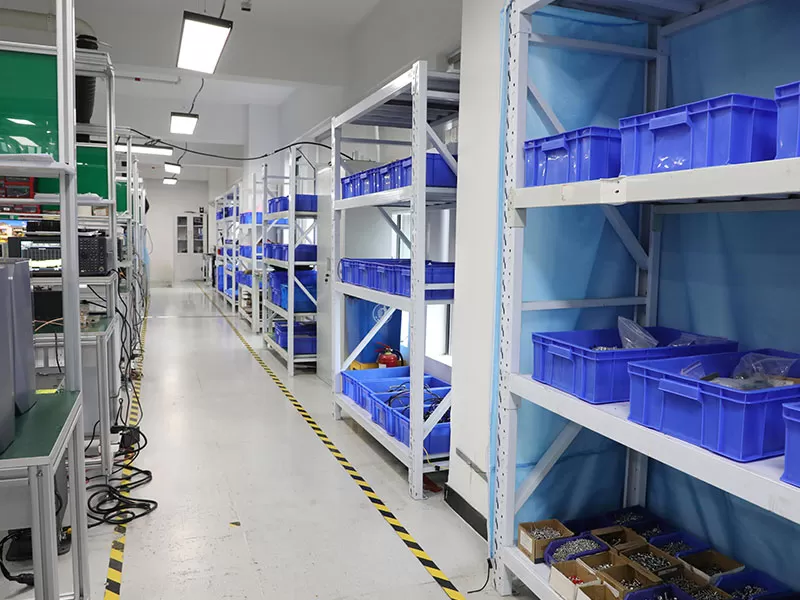
Стендовая проверка подтверждает идентификацию, питание, интерфейсы, запуск, сетевую связь, время, тревоги, журналы и документацию до дальнейшей оценки системы.

Стендовая проверка подтверждает идентификацию, питание, интерфейсы, запуск, сетевую связь, время, тревоги, журналы и документацию до дальнейшей оценки системы.
Укажите тип объекта, формат развертывания и интересующее оборудование. Команда N-TET подготовит информацию о конфигурации, техническую документацию, ориентировочную стоимость и сроки поставки.
An equipment bench check should confirm that the actual unit, accessories, interfaces, software state, and documentation agree with the configuration under review. It is not a substitute for field commissioning and it does not prove site coverage. Its purpose is narrower and practical: identify avoidable mismatches before equipment is connected to a larger system or assessed in a customer-specific environment. At N-TET, the useful questions begin with identity and completeness, then move through power, physical condition, startup behavior, network communication, time synchronization, alarm output, record creation, user access, and shutdown. The check should produce a short record of what was present, what was observed, which assumptions were used, and which items still require site testing. A photograph of powered equipment is not enough if no one can later explain the configuration or reproduce the check.
Model names, serial labels, software versions, antenna types, power adapters, cables, mounts, and optional modules should be matched to the configuration list. Similar enclosures can contain different internal options, and a missing interface cable can stop an otherwise correct review. The record should use the same names that appear in the technical document and platform.
The unit should reach a stable operating state without unexplained warnings. The check should confirm whether status indicators, device health, network communication, time, sensor state, and platform connection behave as described. If the equipment creates alerts or tracks from a controlled input, the reviewer should confirm that a record is generated with the expected timestamp and source.
A bench check should also look at recovery. What happens after a normal restart, temporary network loss, or application restart? Does the unit return to the expected state? Are settings retained? Are gaps visible in the event record? These questions are more useful than a single screenshot showing a normal dashboard.
Detection distance, blind zones, background clutter, RF conditions, weather behavior, visual confirmation distance, mounting stability, and operator workload remain site-dependent. They should be listed as open field-validation items rather than presented as passed during a bench review.
N-TET's public About page shows equipment-preparation and testing resources. The value of those resources comes from a repeatable record, not from staged images or broad quality language. Buyers reviewing equipment can ask for the same checklist structure so that technical questions remain visible.
Укажите тип объекта, формат развертывания и интересующее оборудование. Команда N-TET подготовит информацию о конфигурации, техническую документацию, ориентировочную стоимость и сроки поставки.