В N-TET: техническая документация, которую покупатель может проверить
Опубликовано
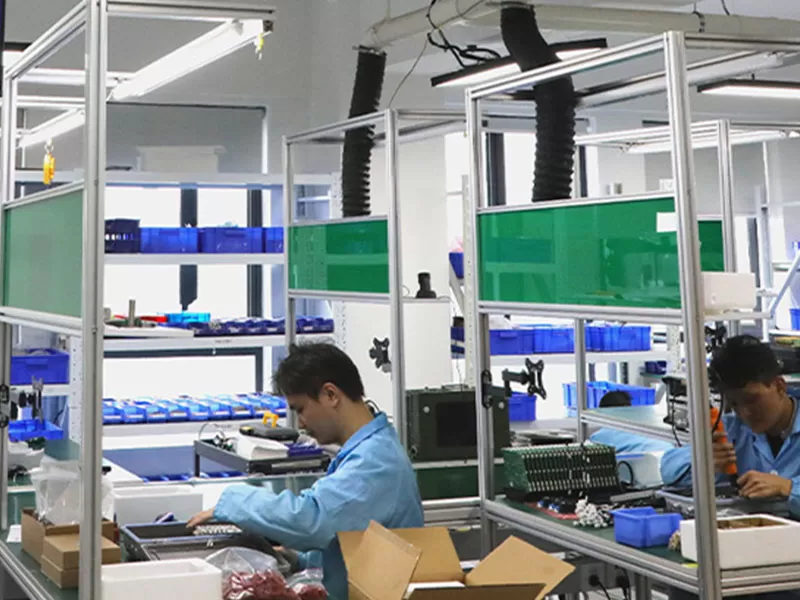
N-TET строит документацию вокруг объема, допущений, интерфейсов, ролей датчиков, конфигурации, рабочего процесса, открытых вопросов и полевой проверки.

N-TET строит документацию вокруг объема, допущений, интерфейсов, ролей датчиков, конфигурации, рабочего процесса, открытых вопросов и полевой проверки.
Укажите тип объекта, формат развертывания и интересующее оборудование. Команда N-TET подготовит информацию о конфигурации, техническую документацию, ориентировочную стоимость и сроки поставки.
C-UAS technical documentation is useful when a buyer can trace each proposed item back to an operating requirement, an interface, and a stated assumption. A long brochure is not the same as a reviewable system document. N-TET organizes an early technical package around the site objective, protected areas, deployment type, sensor roles, equipment list, mounting and environmental assumptions, power and network interfaces, platform records, operator workflow, and open questions. Performance values should identify their test conditions or remain product specifications rather than becoming site guarantees. Unknowns should be visible, not hidden in general language. This structure helps security, engineering, IT, procurement, and management review the same scope without expecting a product sheet to answer questions that belong to a site survey or field test.
The summary should explain what the configuration is intended to monitor and what is outside the current scope. It should name the deployment type, protected zones, operating hours, expected users, relevant existing systems, and the information that was available during review. If a site map or RF survey is missing, the document should say so.
A product may have published frequency, environmental, interface, or detection parameters. Site coverage still depends on target, height, terrain, buildings, RF conditions, weather, mounting, and sensor combination. N-TET keeps these as two sections: what the product record states and what the proposed site layout assumes.
The document should also state which source creates the first alert, which source can confirm it, and what the operator sees when evidence conflicts.
Power, grounding, physical ports, network addresses, protocols, bandwidth, time synchronization, user accounts, data export, map data, display requirements, and cybersecurity boundaries should appear in an interface list. The list does not need to expose sensitive settings publicly; it needs to show the buyer which teams must participate.
Open questions are a sign of controlled review, not weakness. Typical items include final mounting position, target assumptions, network approval, data-retention period, permitted-flight source, existing camera integration, field-test method, and who has authority to assign event status.
This approach supports a clearer conversation than sending unrelated datasheets. Buyers can review N-TET's public C-UAS equipment and solution scenarios, then use the contact form to identify which documents and configuration questions are relevant to their site.
Укажите тип объекта, формат развертывания и интересующее оборудование. Команда N-TET подготовит информацию о конфигурации, техническую документацию, ориентировочную стоимость и сроки поставки.