В N-TET: проверка питания, сети и монтажных интерфейсов
Опубликовано
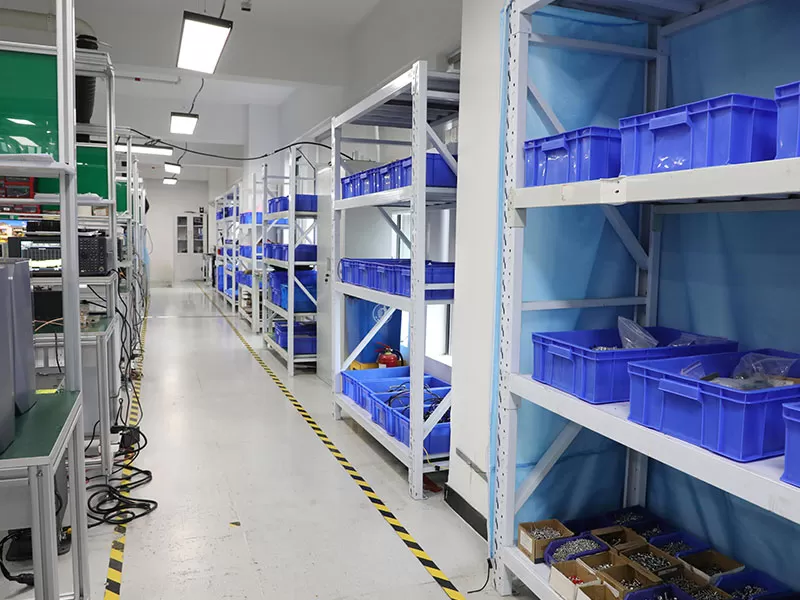
N-TET проверяет питание, заземление, сеть, синхронизацию времени, монтаж, условия среды, доступ и обслуживание, поскольку одного выбора датчика недостаточно.
N-TET проверяет питание, заземление, сеть, синхронизацию времени, монтаж, условия среды, доступ и обслуживание, поскольку одного выбора датчика недостаточно.
Укажите тип объекта, формат развертывания и интересующее оборудование. Команда N-TET подготовит информацию о конфигурации, техническую документацию, ориентировочную стоимость и сроки поставки.
Power, network, and mounting interfaces determine whether a C-UAS configuration can operate as described. N-TET reviews these interfaces alongside sensor roles because a technically suitable detector can still be difficult to install, maintain, synchronize, or connect to an operator workflow. The review records available power, grounding, cable routes, network boundaries, time sources, mounting structure, field of view, environmental exposure, access permissions, maintenance space, and the teams responsible for each decision. Unknown site details are marked as assumptions or open questions rather than filled with generic language.
Document voltage and frequency, expected load, backup requirement, grounding, surge and lightning protection, distribution distance, connector or enclosure needs, and the owner of electrical approval. Equipment survivability and continuous service are separate questions; a weather rating does not define the site's backup-power policy.
A higher position may improve one horizon while adding wind load, vibration, lightning exposure, cable length, close-in blind zones, difficult maintenance, or an obstructed camera view. Radar, RF antennas, Remote ID receivers, and EO/IR devices also have different field-of-view, separation, and access considerations. Final positions should be reviewed by sector and confirmed against the real structure.
N-TET uses an interface register that names the item, requirement, current assumption, responsible party, evidence source, status, and next action. The register sits beside the system diagram and equipment list so a change to one device does not leave its power, network, or mounting dependency hidden in an email chain.
Structural approval, electrical compliance, cybersecurity policy, aviation rules, data governance, construction method, and final field performance belong to the responsible local teams and applicable authorities. Equipment documentation supports those reviews but cannot replace them.
The public N-TET inquiry form collects initial operating context. Detailed interface questions should remain visible until the relevant buyer, engineering, IT, and site teams confirm them.
Укажите тип объекта, формат развертывания и интересующее оборудование. Команда N-TET подготовит информацию о конфигурации, техническую документацию, ориентировочную стоимость и сроки поставки.