Планирование мониторинга воздушного пространства: ответственный за тревоги и записи
Опубликовано
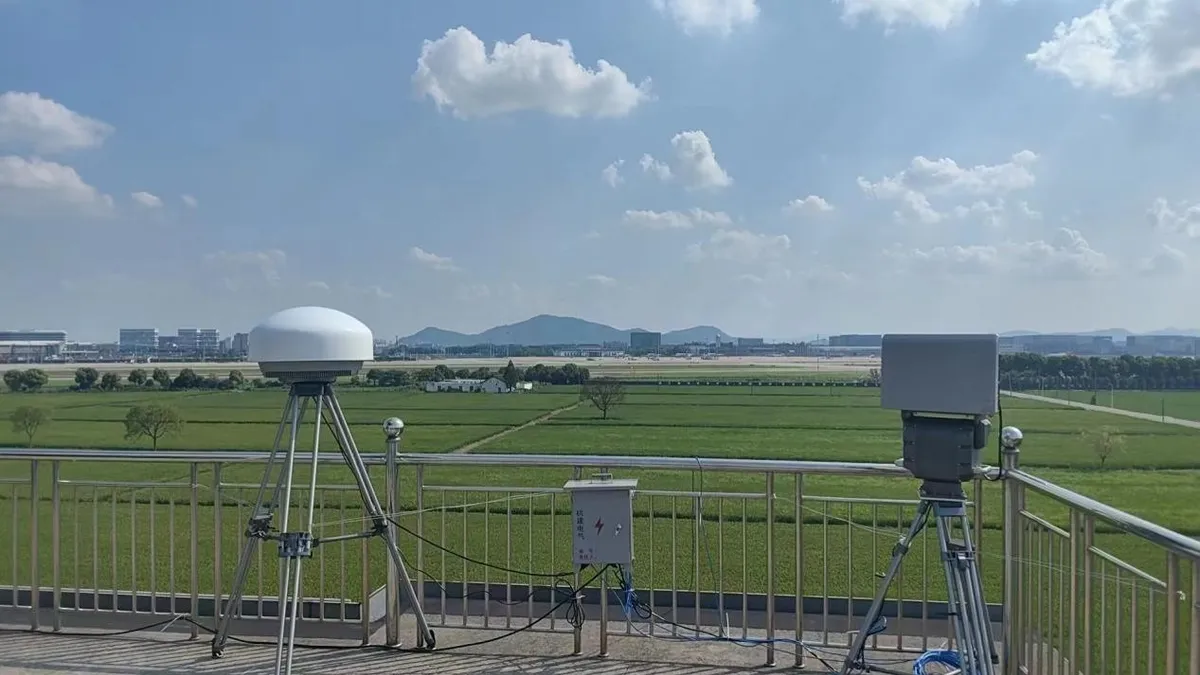
Мониторинг полезен, когда у тревог, Remote ID, данных EO/IR и записей реагирования есть четкий ответственный за проверку и дальнейшие действия.

Мониторинг полезен, когда у тревог, Remote ID, данных EO/IR и записей реагирования есть четкий ответственный за проверку и дальнейшие действия.
Укажите тип объекта, формат развертывания и интересующее оборудование. Команда N-TET подготовит информацию о конфигурации, техническую документацию, ориентировочную стоимость и сроки поставки.
Low-altitude airspace projects are often described through sensors, platforms, maps, and policy language. For site operators, the decisive question is simpler: who owns the event after an alert is created?
Without an operations owner, RF alerts, radar tracks, Remote ID records, EO/IR images, and operator notes can become another disconnected data pool. The system may look complete on a screen but still fail to support daily decisions.
A useful C-UAS project defines what happens after a record is created. Who confirms an alert? Who checks whether the activity is permitted? Who reviews optical evidence? Who contacts the site supervisor? Who closes the event and archives the record?
These responsibilities should be assigned before the project is called intelligent or autonomous. Sensor fusion and platform dashboards are valuable only when the organization knows how to use the evidence.
In many projects, ownership is a role shared across security, operations, IT, and facility management. The important point is that the workflow is explicit. The owner maintains the permitted-flight list, review rules, escalation contacts, data retention policy, and commissioning feedback.
N-TET recommends documenting this role during proposal review. It helps the technical layout match the customer's operating reality and prevents the platform from becoming a passive display.
Assigning ownership is not a paperwork detail. It is the difference between installing monitoring equipment and running a reliable low-altitude security process.
Укажите тип объекта, формат развертывания и интересующее оборудование. Команда N-TET подготовит информацию о конфигурации, техническую документацию, ориентировочную стоимость и сроки поставки.