Как сравнивать технологии обнаружения C-UAS без упрощения до одной дальности
Опубликовано
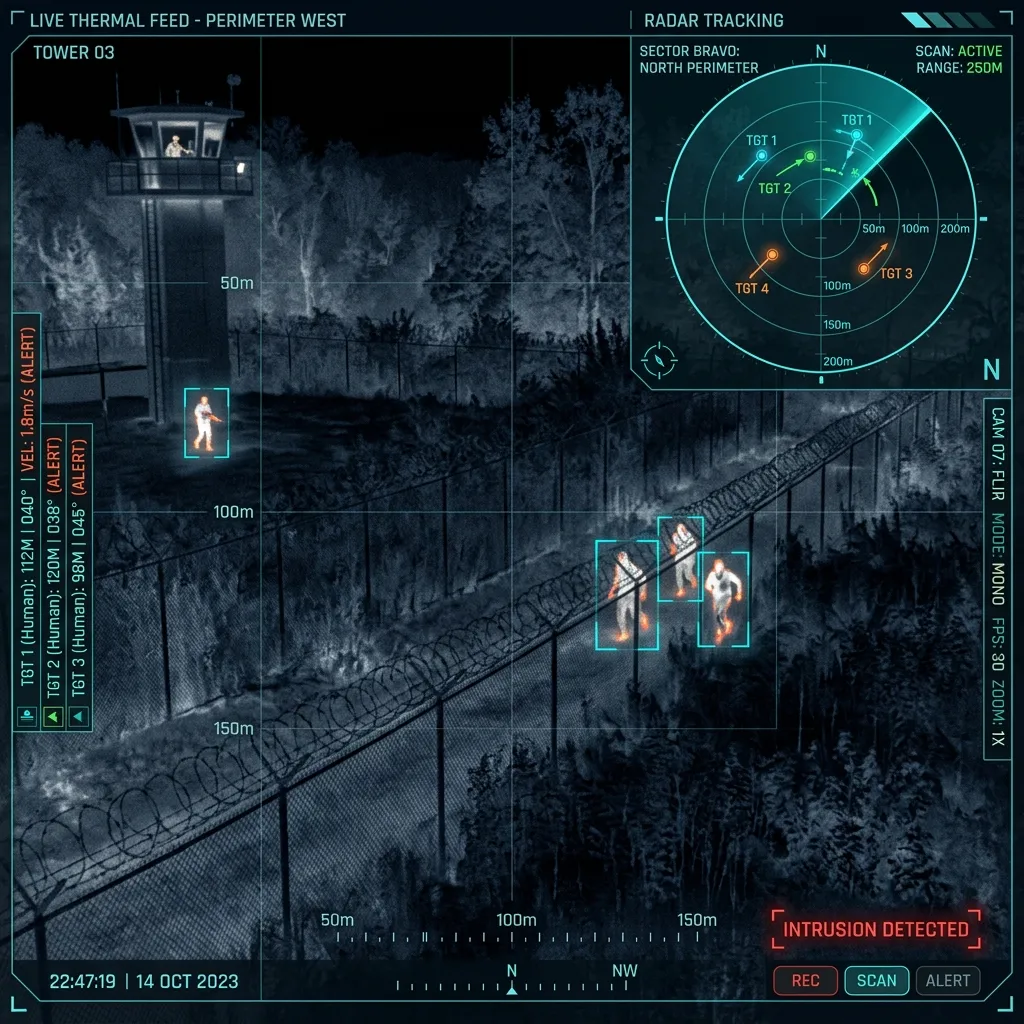
Сравнение должно учитывать тип данных, допущения о цели, ограничения среды, геометрию покрытия, нагрузку оператора и метод проверки, а не одну дальность.

Сравнение должно учитывать тип данных, допущения о цели, ограничения среды, геометрию покрытия, нагрузку оператора и метод проверки, а не одну дальность.
Укажите тип объекта, формат развертывания и интересующее оборудование. Команда N-TET подготовит информацию о конфигурации, техническую документацию, ориентировочную стоимость и сроки поставки.
Comparing C-UAS detection technologies by a single range figure hides the questions that determine whether a monitoring system will be useful. Remote ID, RF sensing, radar, and EO/IR do not observe the same thing. Each source depends on different target behavior, environmental conditions, mounting positions, and operator actions. A fair comparison begins with the evidence the operator needs: compatible identity data, radio activity, a movement track, or visual confirmation. It then states the target assumptions and the conditions behind every published figure. Range remains relevant, but it is only one input. Coverage geometry, blind zones, update rate, nuisance alerts, confirmation time, integration, maintenance, and the treatment of missing evidence often matter just as much.
Ask about target type, flight height, speed, orientation, terrain, structures, vegetation, RF noise, weather, mounting height, antenna or optical configuration, and the rule used to declare a detection. A result against one cooperative target on an open route should not be presented as guaranteed performance for every aircraft and sector.
Use the same scenario and evaluation table for every proposal. Record the required sectors, representative targets, expected evidence, acceptable update interval, operator workload, integration boundary, storage policy, and field-validation method. Separate product specifications from site assumptions and mark unknowns openly.
N-TET's public C-UAS equipment categories show the different evidence roles available. The next step is not choosing the largest number; it is checking which combination can be tested against the site's stated monitoring objective.
Укажите тип объекта, формат развертывания и интересующее оборудование. Команда N-TET подготовит информацию о конфигурации, техническую документацию, ориентировочную стоимость и сроки поставки.